Mỗi ngày, các doanh nghiệp logistics phải xử lý hàng trăm đến hàng nghìn chứng từ như booking, vận đơn, hóa đơn, chứng từ xuất nhập khẩu và email trao đổi với khách hàng. Tuy nhiên, tại nhiều doanh nghiệp, quy trình vận hành vẫn phụ thuộc nhiều vào nhập liệu thủ công, quản lý dữ liệu rời rạc và thiếu hệ thống quản lý tập trung. Điều này không chỉ làm giảm hiệu suất làm việc mà còn khiến doanh nghiệp khó mở rộng quy mô và kiểm soát rủi ro.
Chuyển đổi số được xem là chìa khóa giúp ngành logistics tối ưu vận hành và nâng cao năng lực cạnh tranh. Tuy nhiên, việc lựa chọn một giải pháp công nghệ phù hợp với đặc thù ngành vẫn là thách thức lớn đối với nhiều doanh nghiệp.
Với mục tiêu giải quyết những bài toán đó, Sota Solutions đã phát triển hệ sinh thái công nghệ bao gồm Sota FMS, Sota CRMlog và Sota AI, giúp doanh nghiệp logistics số hóa quy trình vận hành, quản lý khách hàng hiệu quả và tự động hóa xử lý dữ liệu bằng trí tuệ nhân tạo. Cùng chúng tôi tìm hiểu chi tiết những giải pháp công nghệ hiệu quả nhất của Sota Solutions dưới đây.
1. Sota FMS - nền tảng quản lý vận hành dành riêng cho doanh nghiệp Logistics và Forwarding
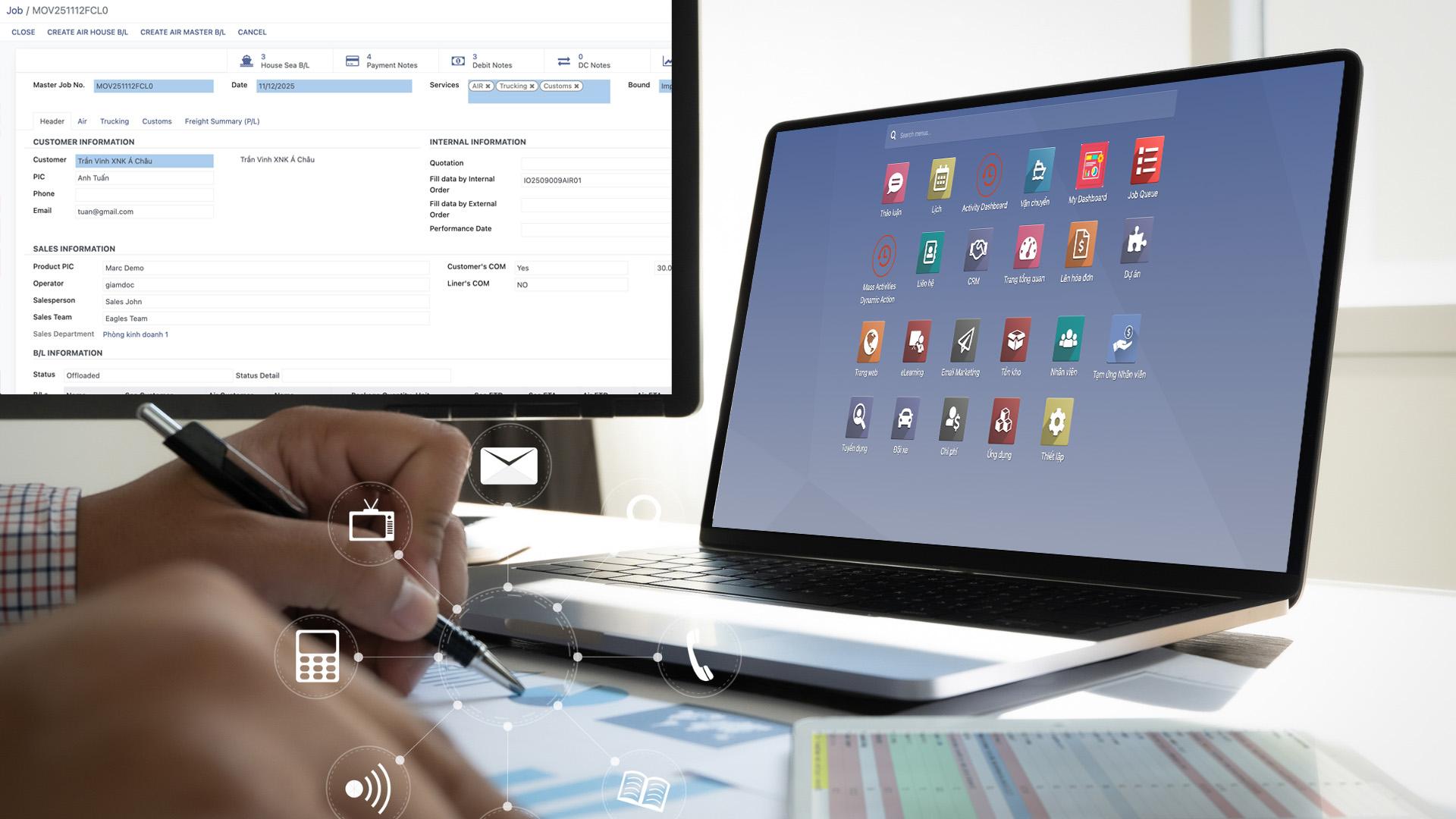
1.1 Sota FMS là gì? Tại sao doanh nghiệp Logistics cần một phần mềm chuyên biệt giúp tối ưu vận hành?
Sota FMS (Freight management system) là hệ thống ERP chuyên biệt dành riêng cho ngành Logistics và Forwarding, cho phép doanh nghiệp quản lý và đồng bộ các quy trình quan trọng như: bán hàng, vận hành, kế toán – tài chính, nhân sự, mua hàng và báo cáo trên một nền tảng duy nhất. Với Sota FMS sẽ tích hợp những nghiệp vụ quan trọng cho ngành logistics như:
- Quản lý shipment, job, booking
- Theo dõi vận tải đa phương thức (đường biển, hàng không, đường bộ, đường sắt)
- Quản lý chứng từ logistics (HBL, MBL, AWB, DO…)
- Quản lý báo giá (Pricing)
- Hạch toán chi phí và doanh thu theo từng lô hàng
- Báo cáo chi tiết
- Tài chính, kế toán
- Các tính năng đặc thù khác
1.2 Những tính năng chính của Sota FMS
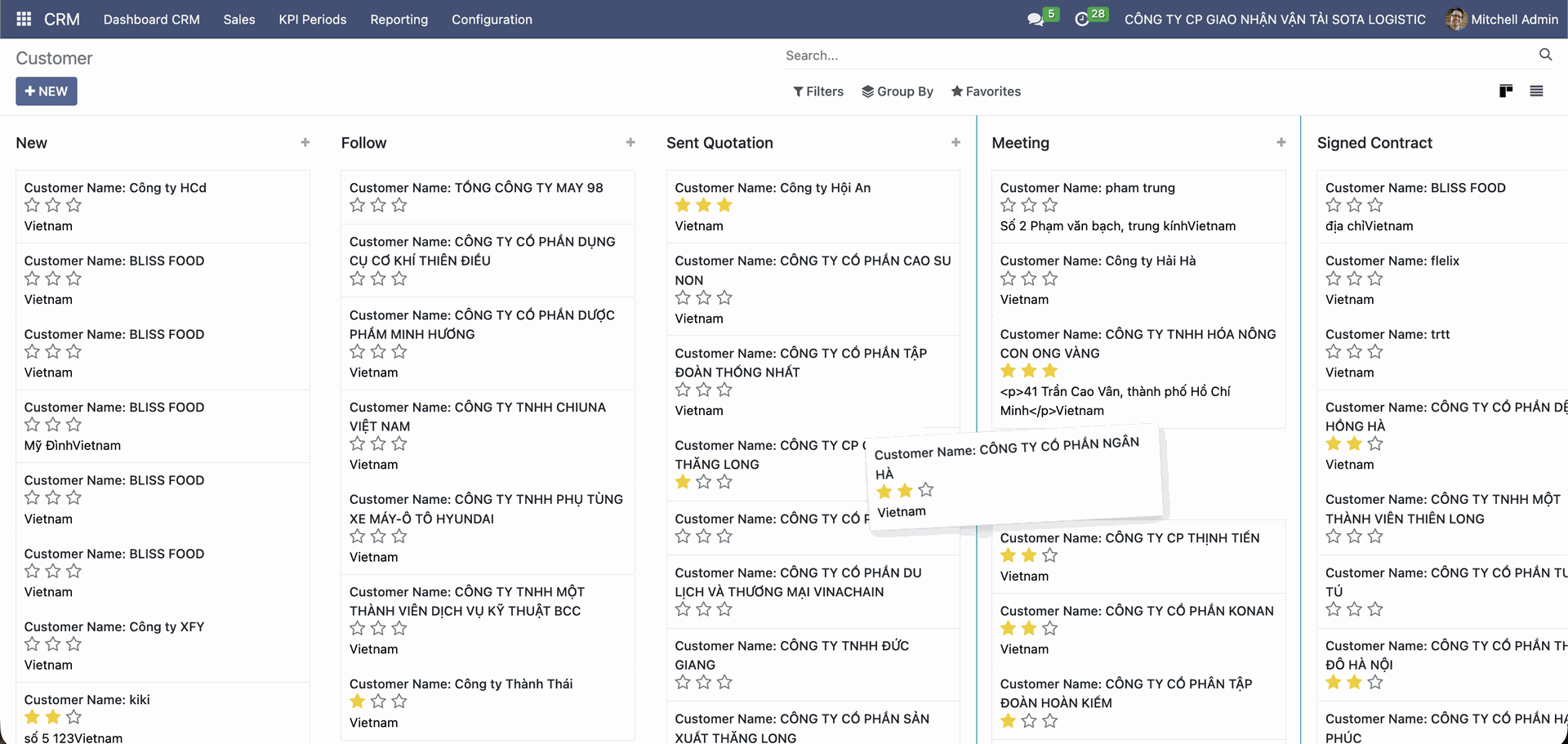
Module CRM – Quản lý khách hàng và kinh doanh
- Quản lý khách hàng với giao diện kanban, theo dõi toàn bộ quy trình từ tiếp cận đến chốt deal.
- Phân chia khách hàng và đội ngũ kinh doanh theo khu vực, ngành nghề, nhóm dịch vụ.
- Tạo báo giá nhanh chóng với bảng giá được cập nhật từ nhiều nhà cung cấp.
- Thiết lập và giám sát KPI (Calling, Meeting, Sign Contract, Quotation Sent).
- Email marketing với khả năng đo lường hiệu quả chiến dịch.
Module quản lý vận hành Freight
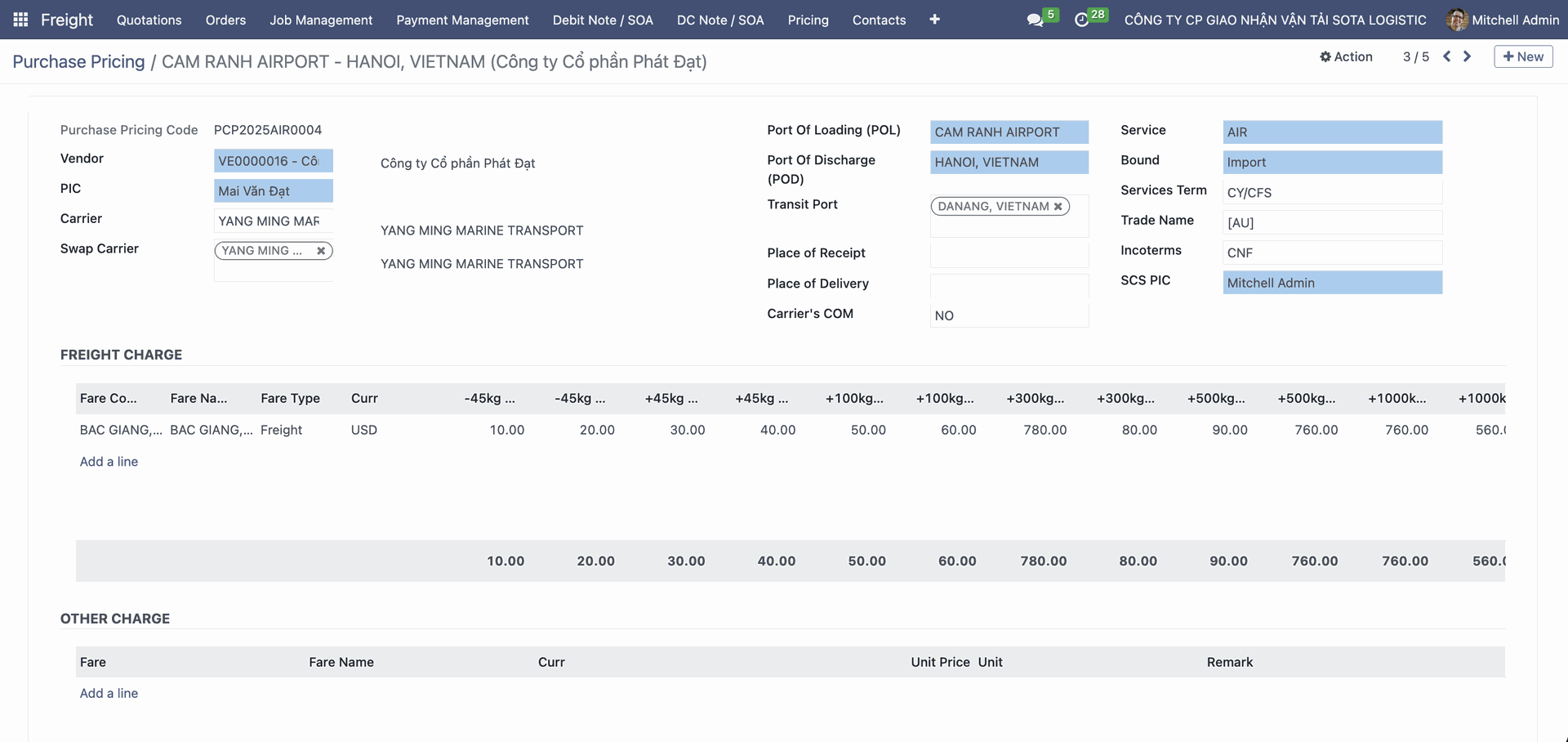
Quản lý Bảng giá (Pricing)
- Quản lý tập trung bảng giá từ nhiều nhà cung cấp (hãng tàu, hãng hàng không, đại lý).
- Tùy chỉnh, so sánh và cập nhật giá dễ dàng theo từng tuyến vận chuyển.
- Hiển thị đầy đủ thông tin POL/POD, chi phí, thời gian hiệu lực của giá.
Quản lý Job (Job Management)
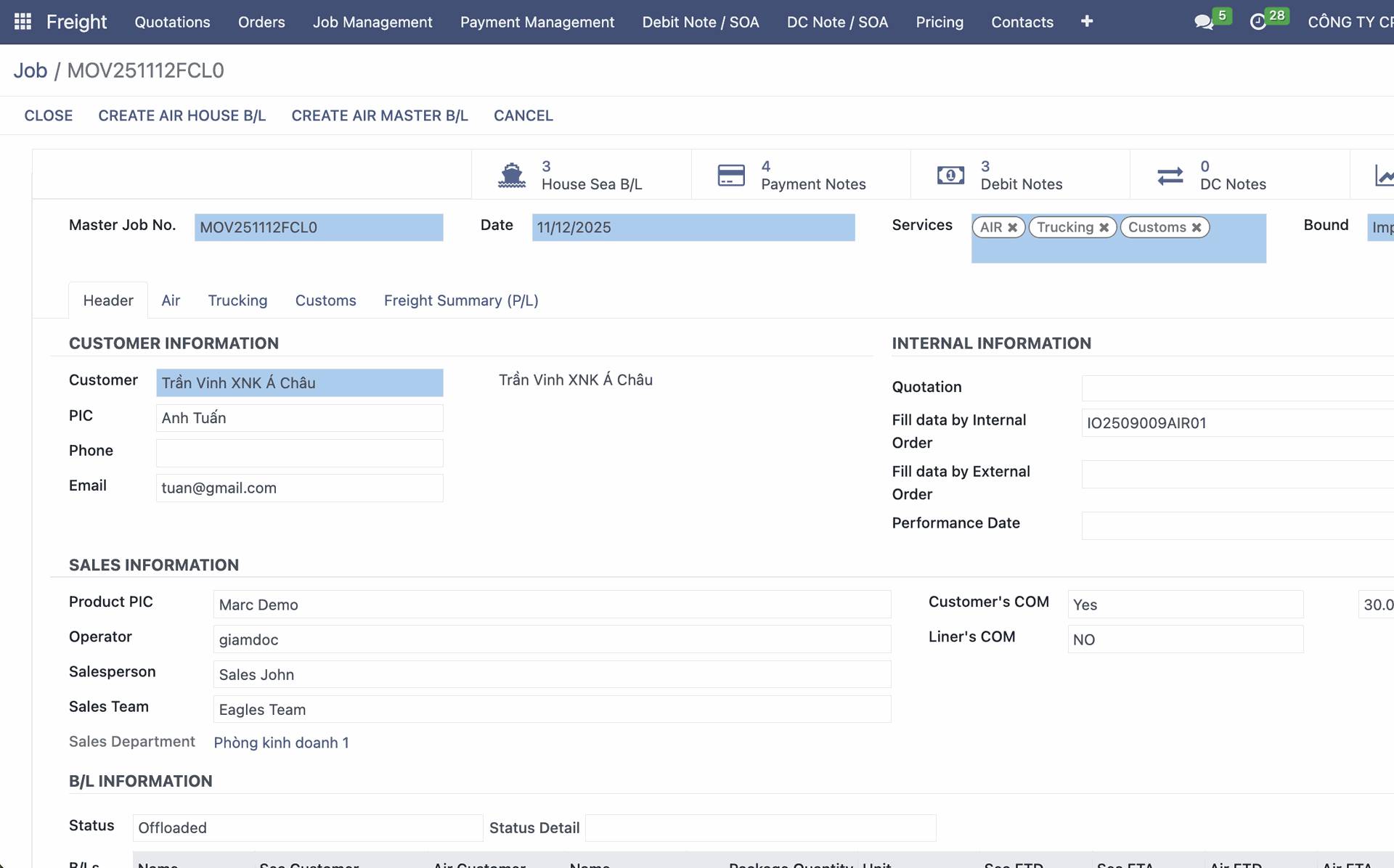
- Tạo và quản lý Job cho từng lô hàng, liên kết chặt chẽ với CRM và các module khác.
- Quản lý tập trung toàn bộ chứng từ theo từng job: Invoice, Packing List, B/L, C/O, Manifest, AN, DO...
- Hỗ trợ tải lên, xem trực tiếp hoặc tạo mẫu chứng từ từ hệ thống.
- Theo dõi lợi nhuận từng lô hàng, phân quyền rõ ràng để dễ dàng kiểm soát.
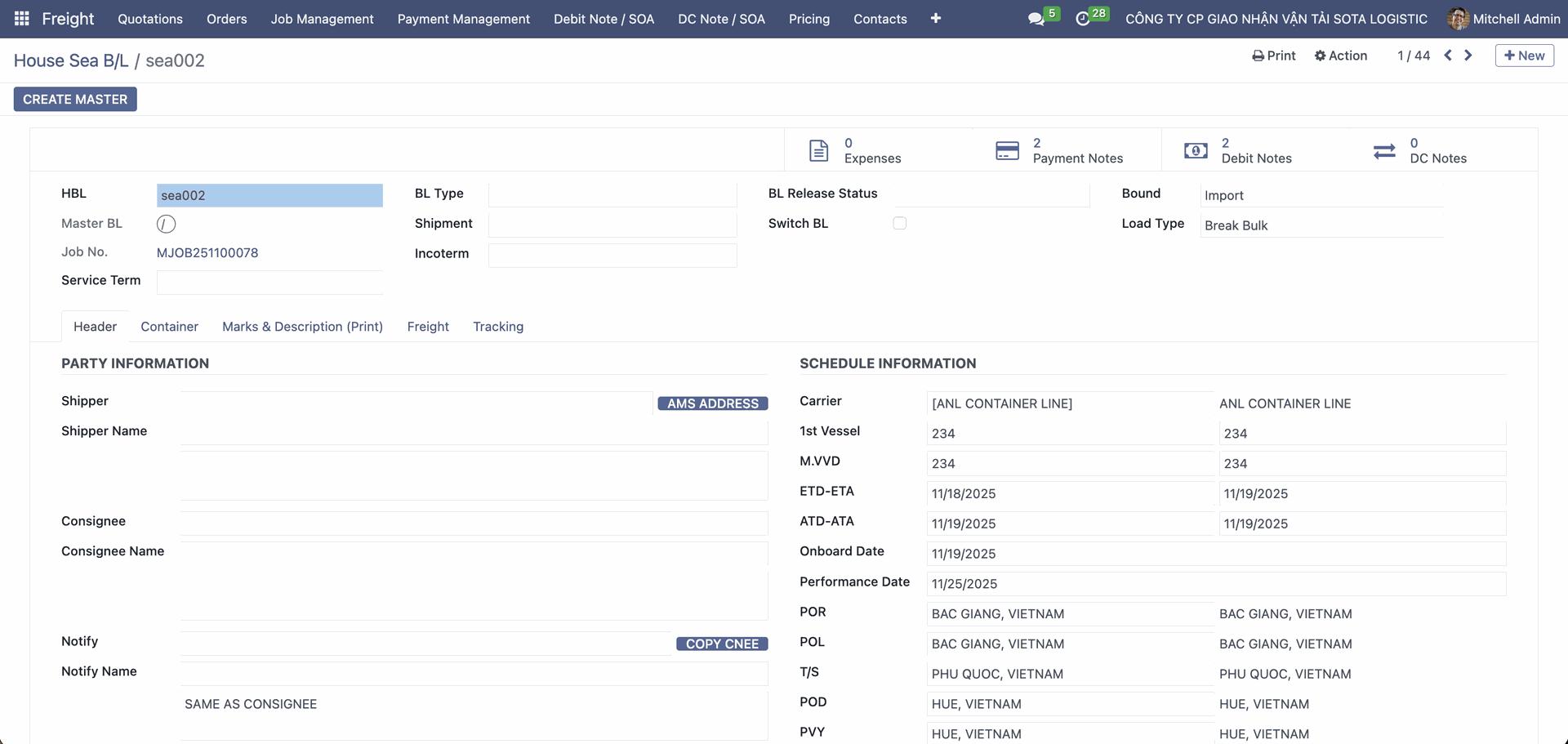
Quản lý House B/L và Master B/L
- House B/L: Liên kết tự động với Job và chứng từ, ghi nhận chi tiết thông tin hàng hóa và đối tác. Xuất mẫu in HBL, HBL Origin, E-Manifest.
- Master B/L: Tự động lấy dữ liệu từ House B/L, tích hợp chứng từ và thanh toán, kiểm soát vận chuyển và lịch trình hiệu quả.
- Theo dõi giá mua – bán, tự động tạo Debit/Credit Note theo từng vận đơn.
- Tracking trạng thái lô hàng.
Quản lý Doanh thu và Chi phí
- Debit Note: Tự động tạo ghi nợ từ Job và House/Master B/L, đảm bảo thu đúng và đủ doanh thu từng lô hàng. Hỗ trợ đa tiền tệ và tỷ giá linh hoạt.
- Payment & Credit Note: Tự động tạo từ Job và B/L, quản lý chi phí chặt chẽ theo từng lô hàng, theo dõi công nợ nhà cung cấp.
- DC Note: Dành cho đối tác nước ngoài, quản lý chi phí theo từng lô hàng.
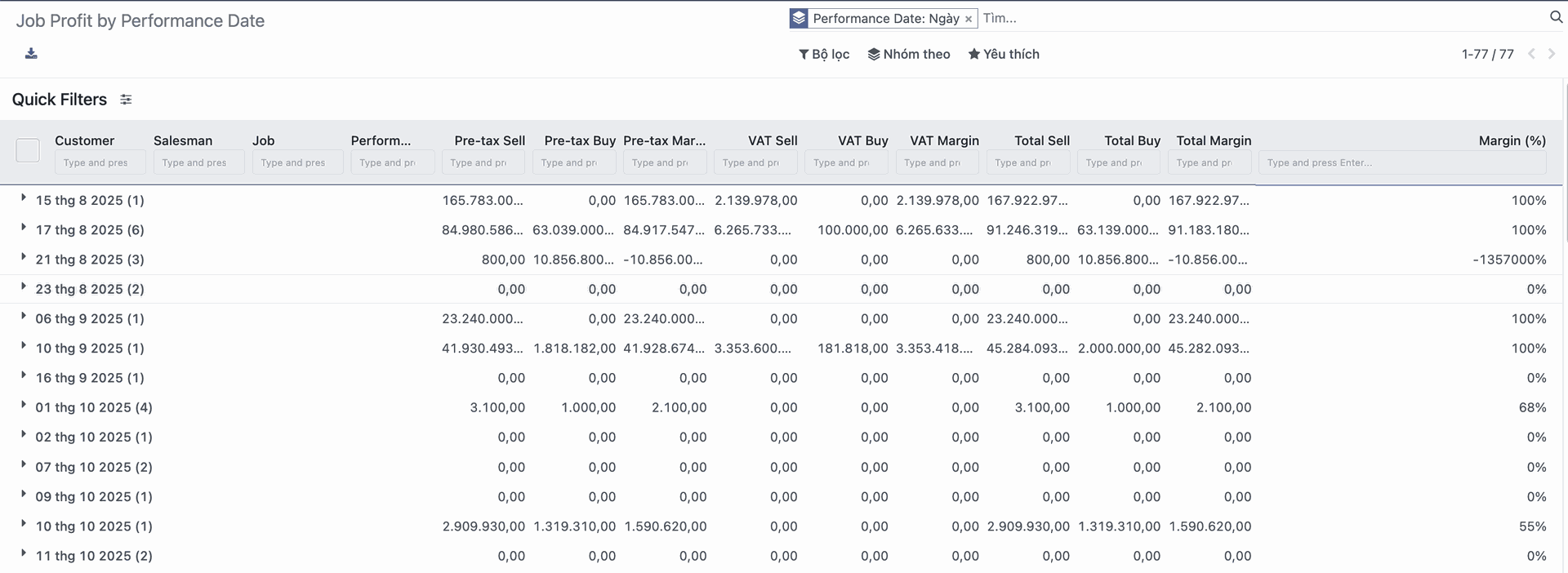
Báo cáo lợi nhuận chi tiết
- Báo cáo performance và lợi nhuận: Phân tích chi tiết hiệu suất và lợi nhuận từng lô hàng, từng tuyến, từng khách hàng.
- Báo cáo có thể tùy chỉnh theo nhu cầu quản lý, giúp lãnh đạo ra quyết định dễ dàng dựa trên dữ liệu real time.
Ứng Dụng Trí Tuệ Nhân Tạo (AI)
Sota FMS tích hợp các công nghệ AI tiên tiến để tăng cường năng suất và giảm thiểu sai sót:
Công nghệ OCR (Optical Character Recognition)
- Tự động đọc và trích xuất thông tin từ booking hãng tàu, giảm đến 70% thời gian nhập liệu thủ công.
- Đảm bảo dữ liệu chính xác, cập nhật tức thì vào hệ thống.
- Tối ưu hóa nhân sự và giảm thiểu chi phí vận hành.
AI Chatbot
- Tư vấn khách hàng tự động 24/7 ngay trên website doanh nghiệp.
- Đảm bảo phản hồi nhanh chóng, chính xác các câu hỏi thường gặp.
- Tối ưu chi phí và nhân sự chăm sóc khách hàng, kinh doanh.
- Nâng cao tính chuyên nghiệp trong dịch vụ khách hàng.
Trợ lý AI Agent
- Trợ lý đắc lực cho CEO và các cấp quản lý trong việc tổng hợp báo cáo và thông tin.
- Hỗ trợ xử lý các công việc lặp đi lặp lại: đặt lịch họp, gửi email, tạo meeting, nhắc nhở công việc.
- Tích hợp toàn bộ hệ thống ERP/CRM để truy xuất và phân tích dữ liệu nhanh chóng.
- Phản hồi tức thì, hỗ trợ ra quyết định hiệu quả dựa trên dữ liệu thực tế.
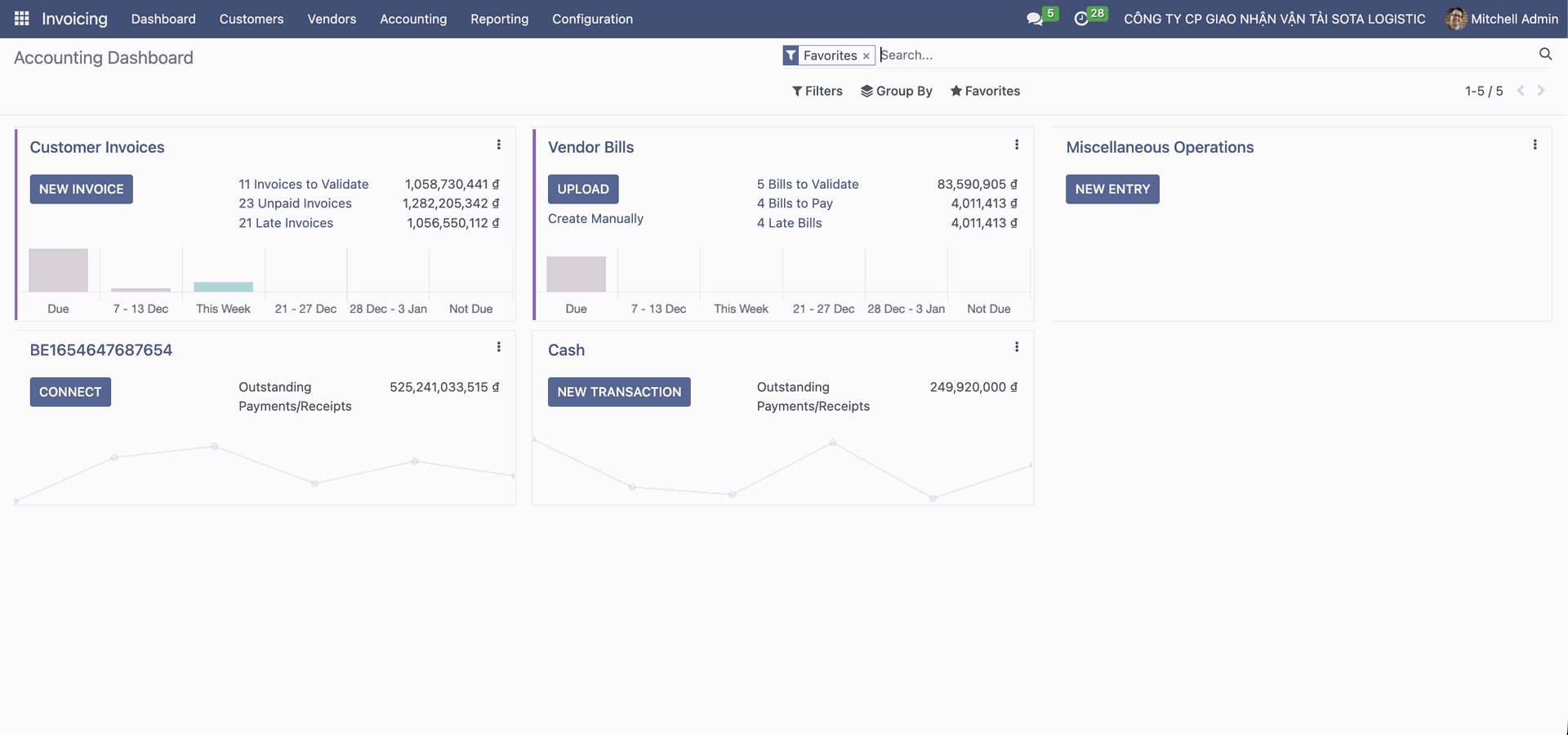
Module Tài chính – Kế toán
- Tích hợp liên mô-đun: Kết nối chặt chẽ giữa vận hành, kinh doanh và tài chính, hỗ trợ kế toán tự động hoặc thủ công tùy theo nhu cầu.
- Hóa đơn điện tử: Tích hợp với các nhà cung cấp hóa đơn điện tử, tự động xuất hóa đơn.
- Quản lý nghiệp vụ tài chính: Ngân hàng, VAT, bảng lương, công nợ, tạm ứng.
- Báo cáo chuẩn: Báo cáo thuế, nội bộ và tài chính theo thông tư của Bộ Tài Chính.
Các Module hỗ trợ khác
Quản lý Dự án (Siêu trường - Siêu trọng)
- Quản lý thông tin dự án chặt chẽ, đầy đủ cho các lô hàng đặc biệt.
- Theo dõi trạng thái và tình trạng dự án theo thời gian thực.
- Chia sẻ thông tin giữa các nhân sự có liên quan.
Quản lý Kho
- Quản lý đa kho với các hoạt động nhập – xuất kho.
- Quản lý tồn kho theo vị trí, thiết lập mức tối thiểu – tối đa.
- Áp dụng quy tắc xuất kho: FIFO (First In First Out), FEFO (First Expired First Out), LIFO (Last In First Out).
Quản lý Nhân sự
- Chấm công tự động và quản lý nghỉ phép.
- Quản lý hợp đồng lao động và hồ sơ nhân viên.
- Tính lương tự động dựa trên công, phép, thưởng, phạt.
Báo cáo chi tiết và linh hoạt
- Tùy chỉnh báo cáo: Tự kéo - thả để tạo báo cáo theo nhu cầu quản lý, đặc thù của từng doanh nghiệp.
- Đa dạng góc độ: Xem báo cáo theo khách hàng, tuyến vận chuyển, nhân viên, thời gian, lợi nhuận...
- Real-time reporting: Báo cáo theo thời gian thực giúp cấp quản lý ra các quyết định nhanh chóng và chính xác.
2. Sota CRM log - nền tảng quản lý khách hàng dành riêng cho doanh nghiệp Logistics và Forwarding
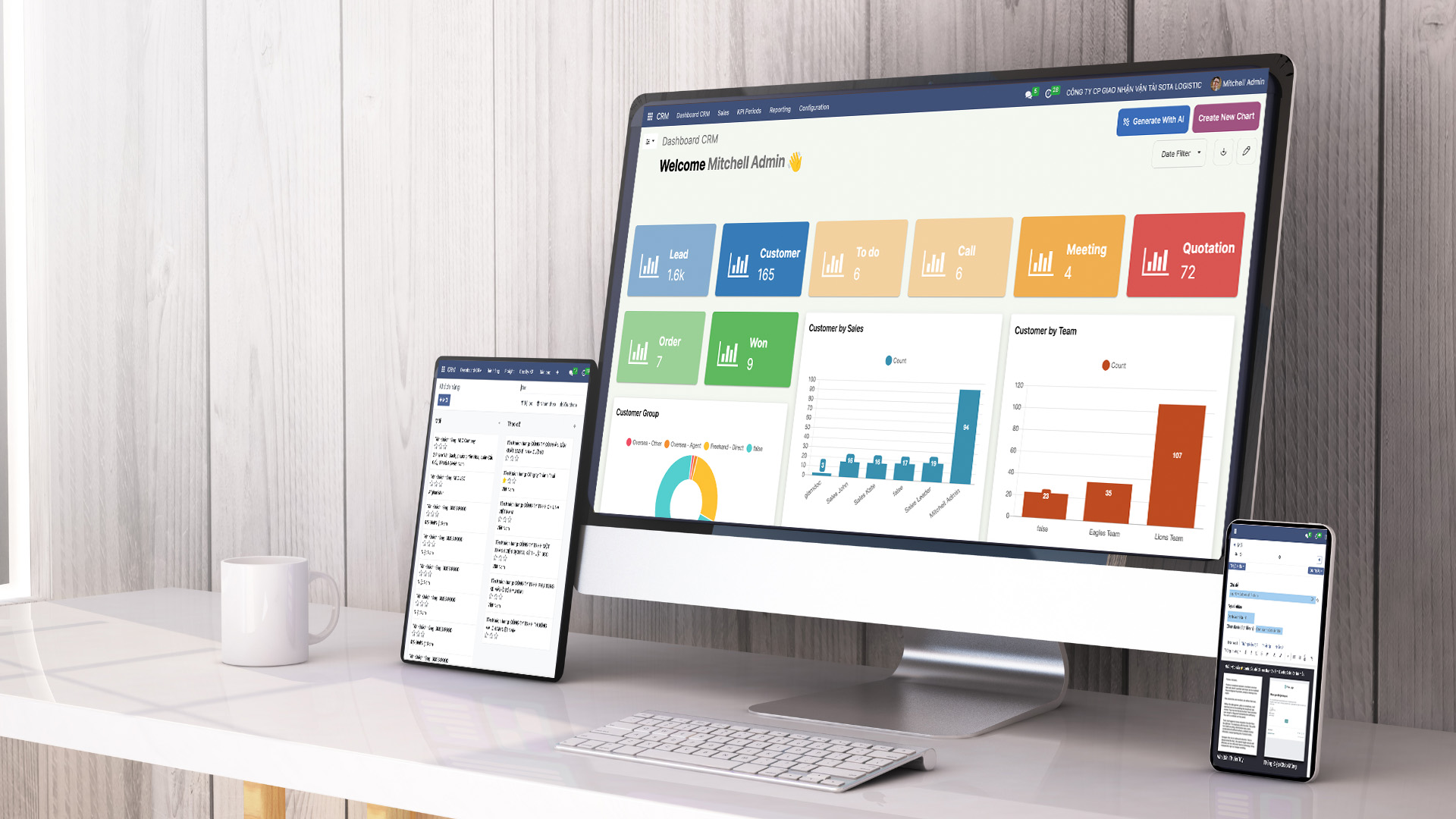
2.1 Sota CRMlog là gì? Tại sao doanh nghiệp Logistics cần một phần mềm chuyên biệt giúp quản lý khách hàng?
Sota CRMlog (Customer relationship Management) là phần mềm quản lý khách hàng chuyên biệt cho ngành Logistics và Forwarding. Sota CRMlog khác biệt với các nền tảng quản lý khách hàng chung vì hệ thống tích hợp những tính năng dành riêng cho nghiệp vụ Logistics.
Cụ thể trong ngành Logistics, khách hàng thường có đặc thù riêng như tần suất vận chuyển cao, yêu cầu khắt khe về thời gian giao nhận, chi phí và tính minh bạch. Do đó, quản lý khách hàng không chỉ dừng lại ở việc lưu trữ thông tin cơ bản mà còn bao gồm việc theo dõi lịch sử đơn hàng, tuyến vận chuyển, loại hàng hóa, điều khoản hợp đồng và các yêu cầu đặc biệt của từng khách hàng.
Một hệ thống quản lý khách hàng hiệu quả trong ngành Logistics thường bao gồm các nội dung sau:
- Quản lý thông tin khách hàng: Lưu trữ đầy đủ thông tin doanh nghiệp, người liên hệ, ngành nghề, nhu cầu vận chuyển và lịch sử giao dịch.
- Theo dõi đơn hàng và hợp đồng: Ghi nhận chi tiết các đơn vận chuyển, thời gian giao nhận, điều khoản hợp đồng và cam kết dịch vụ (SLA).
- Quản lý tương tác và chăm sóc khách hàng: Theo dõi lịch sử trao đổi qua email, điện thoại, hỗ trợ kỹ thuật và xử lý khiếu nại.
- Phân tích dữ liệu khách hàng: Đánh giá hành vi, tần suất sử dụng dịch vụ và mức độ sinh lời của từng nhóm khách hàng.
- Và các nội dung đặc thù riêng của ngành logistics cho từng khâu và quy trình làm việc riêng
2.2 Những tính năng chính của Sota CRMlog
Những tính năng nổi bật của Sota CRMlog:
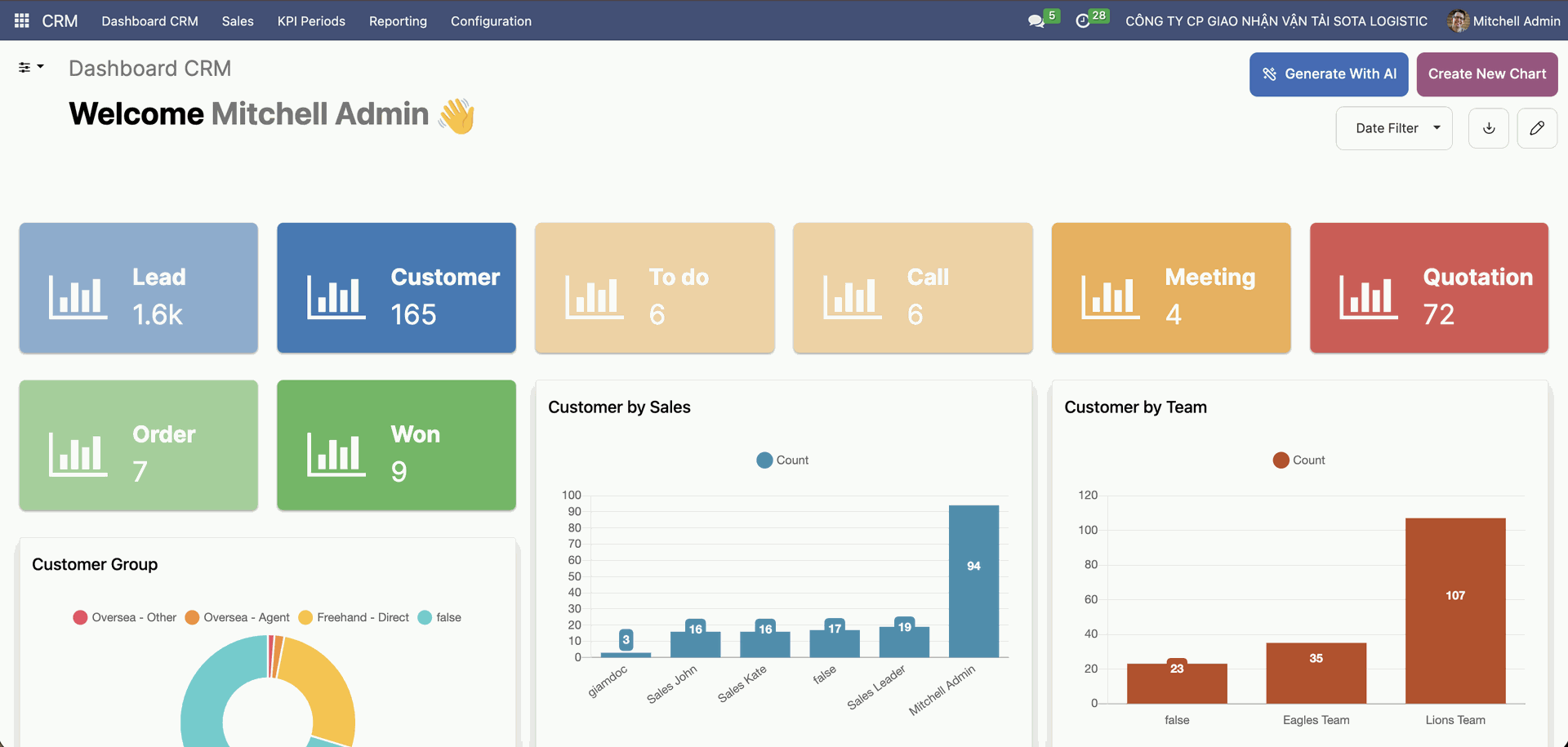
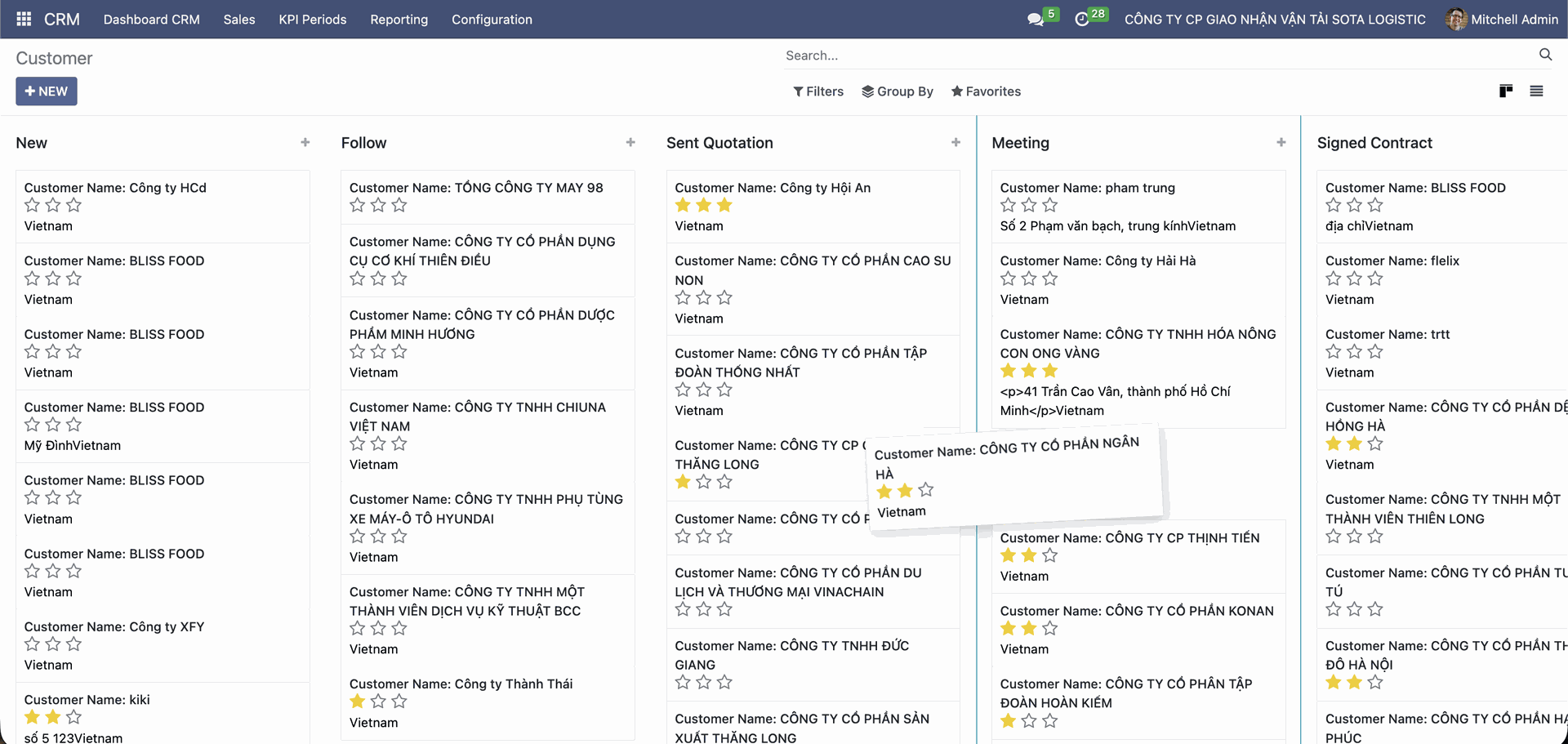
Quản lý khách hàng trong CRM Logistics
Cho phép doanh nghiệp lưu trữ và quản lý toàn bộ thông tin khách hàng một cách tập trung, từ các dữ liệu cơ bản như tên, email, số điện thoại cho đến những thông tin chuyên sâu đặc thù ngành Logistics như tuyến vận chuyển, trạng thái khách hàng và lịch sử tương tác. Hệ thống cơ sở dữ liệu khách hàng tập trung giúp đội ngũ kinh doanh chủ động tiếp cận, chăm sóc và nuôi dưỡng khách hàng tiềm năng. Nhờ đó, doanh nghiệp Logistics có thể khai thác tối đa giá trị dữ liệu khách hàng, hạn chế bỏ lỡ cơ hội kinh doanh và nâng cao hiệu quả quản lý mối quan hệ khách hàng.
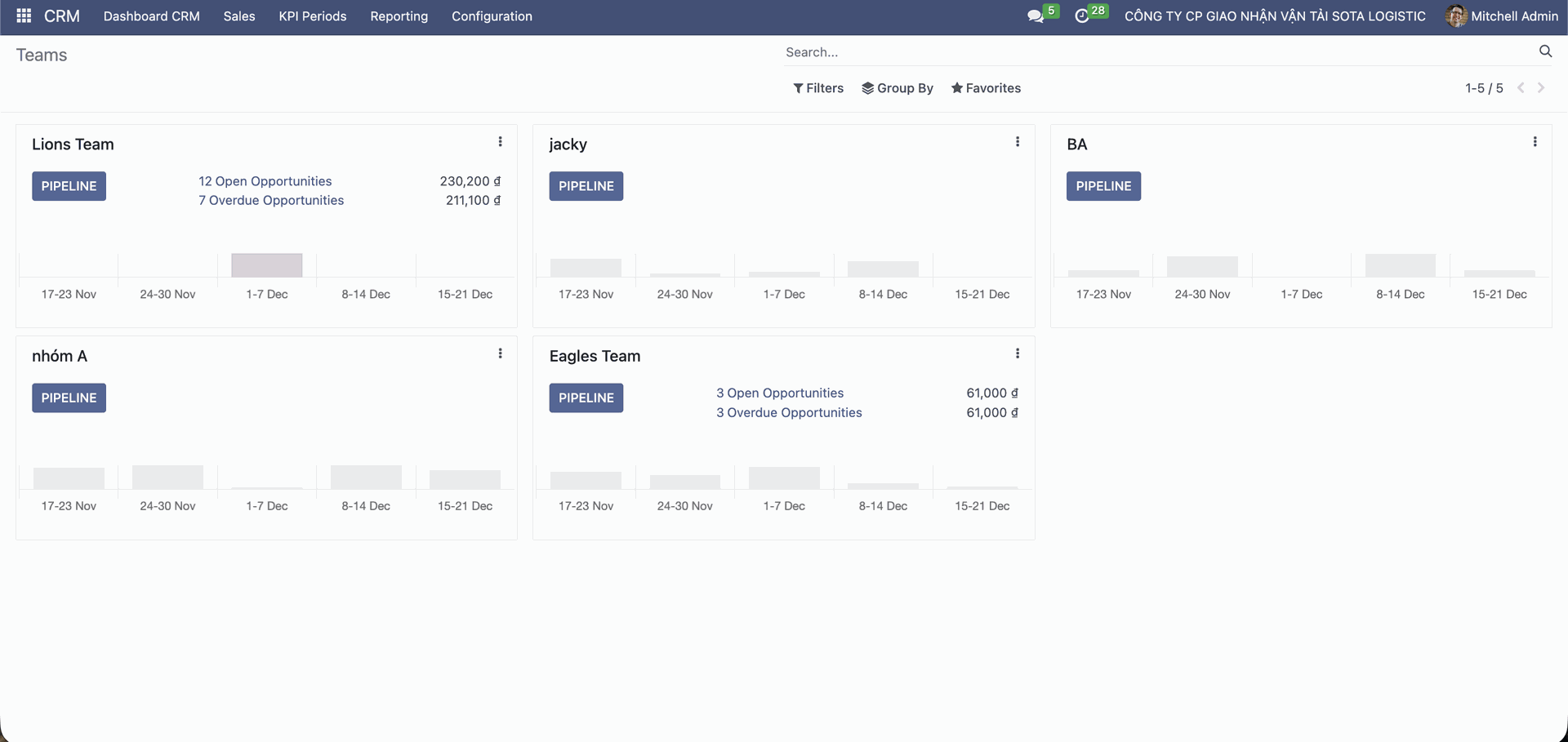
Quản lý đội ngũ kinh doanh (Sales Team Management)
Phần mềm CRM Logistics hỗ trợ quản lý toàn bộ hoạt động của đội ngũ sales, bao gồm lịch sử cuộc gọi, các buổi họp, báo giá đã gửi và kết quả từng cơ hội kinh doanh. Tất cả dữ liệu được ghi nhận minh bạch trên hệ thống, giúp nhà quản lý dễ dàng theo dõi hiệu suất làm việc của từng nhân viên. Ngoài ra, CRM cho phép tổ chức đội ngũ bán hàng theo nhóm, phân quyền truy cập, thiết lập KPI và đánh giá kết quả theo từng giai đoạn. Điều này giúp doanh nghiệp Logistics xây dựng hệ thống quản lý bán hàng minh bạch, hiệu quả và dễ dàng mở rộng quy mô.
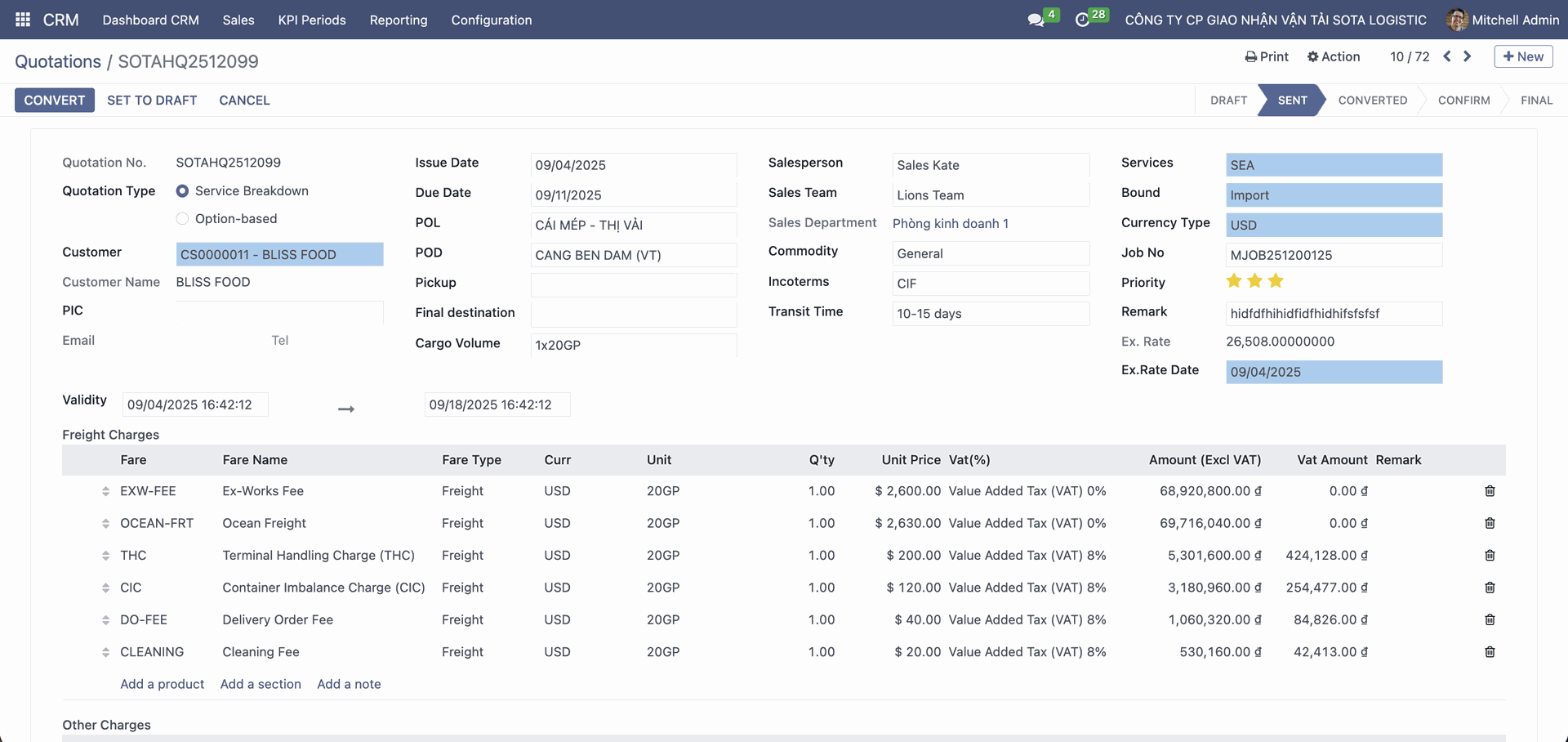
Quản lý báo giá (Quotation Management)
Với tính năng quản lý báo giá trong CRM Logistics, doanh nghiệp có thể tạo và gửi báo giá nhanh chóng thông qua các mẫu báo giá chuẩn theo định dạng của công ty. Hệ thống hỗ trợ xuất file linh hoạt, đảm bảo tính chuyên nghiệp và nhất quán trong mọi báo giá gửi đến khách hàng. CRM Logistics cho phép chỉnh sửa nội dung và bố cục báo giá linh hoạt trên cùng một giao diện, giúp giảm sai sót, tăng tốc độ phản hồi và nâng cao trải nghiệm khách hàng trong quá trình tư vấn dịch vụ Logistics.
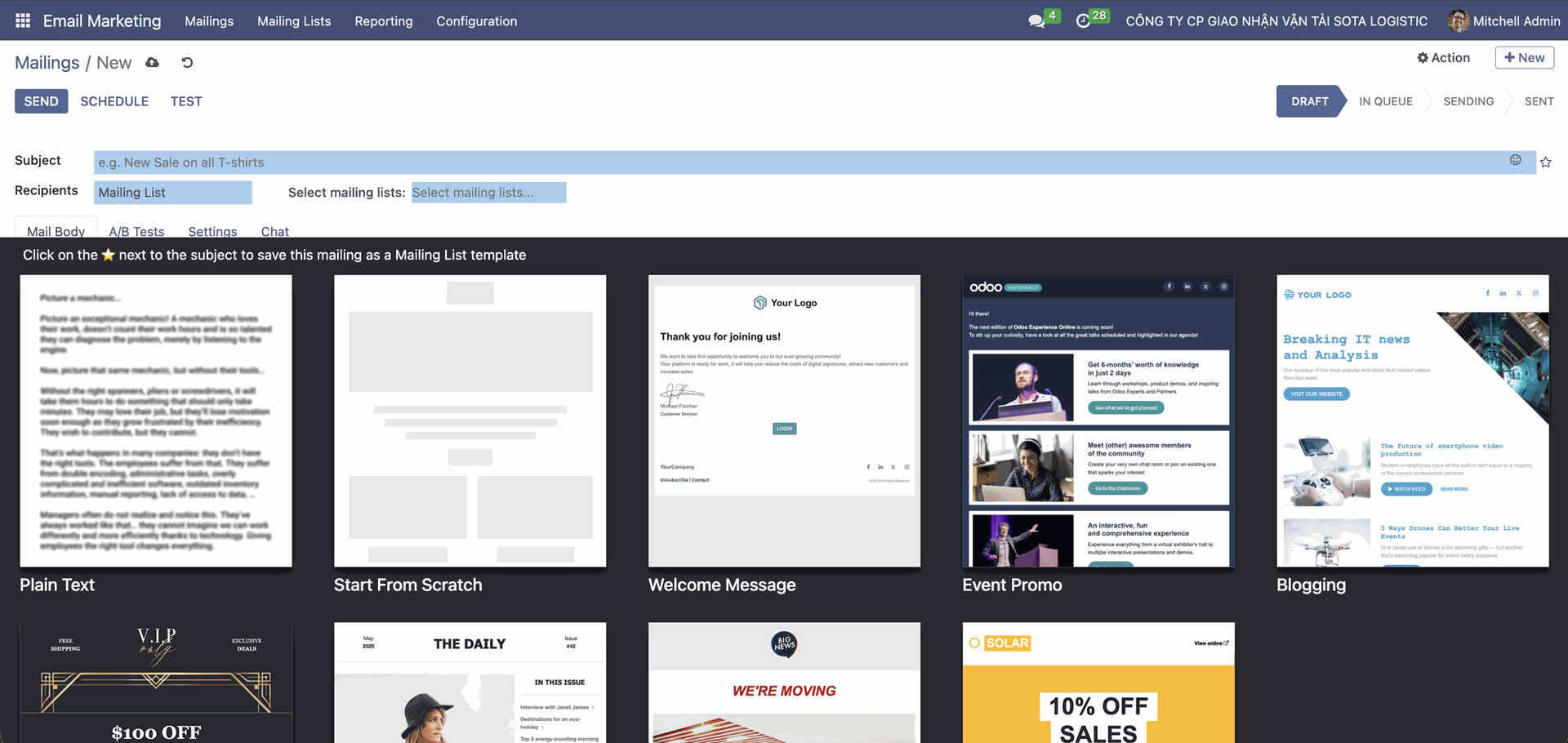
Email Marketing
CRM Logistics tích hợp sẵn chức năng Email Marketing, cho phép doanh nghiệp phân nhóm dữ liệu khách hàng, thiết kế nội dung email và gửi thông điệp đúng đối tượng mục tiêu. Đây là công cụ hiệu quả để chăm sóc khách hàng hiện hữu, giới thiệu dịch vụ Logistics mới hoặc triển khai các chiến dịch khuyến mãi. Việc kết hợp Email Marketing với dữ liệu khách hàng trong CRM giúp doanh nghiệp Logistics tăng tỷ lệ tương tác, cá nhân hóa nội dung và nâng cao hiệu quả quản lý khách hàng dài hạn.
Báo cáo & Phân tích dữ liệu
CRM Logistics cung cấp hệ thống báo cáo và phân tích dữ liệu linh hoạt, cho phép doanh nghiệp tạo các báo cáo tùy chỉnh theo nhu cầu quản lý mà không bị giới hạn bởi các mẫu cố định. Dữ liệu từ các phòng ban liên quan được tổng hợp, lọc và phân tích trên cùng một nền tảng. Nhờ đó, doanh nghiệp Logistics có thể đưa ra quyết định nhanh chóng và chính xác hơn, dựa trên dữ liệu khách hàng và hiệu quả kinh doanh thực tế.
3. Sota ERP AI Assistant- trợ lý AI (trí tuệ nhân tạo) tối ưu quản lý công việc
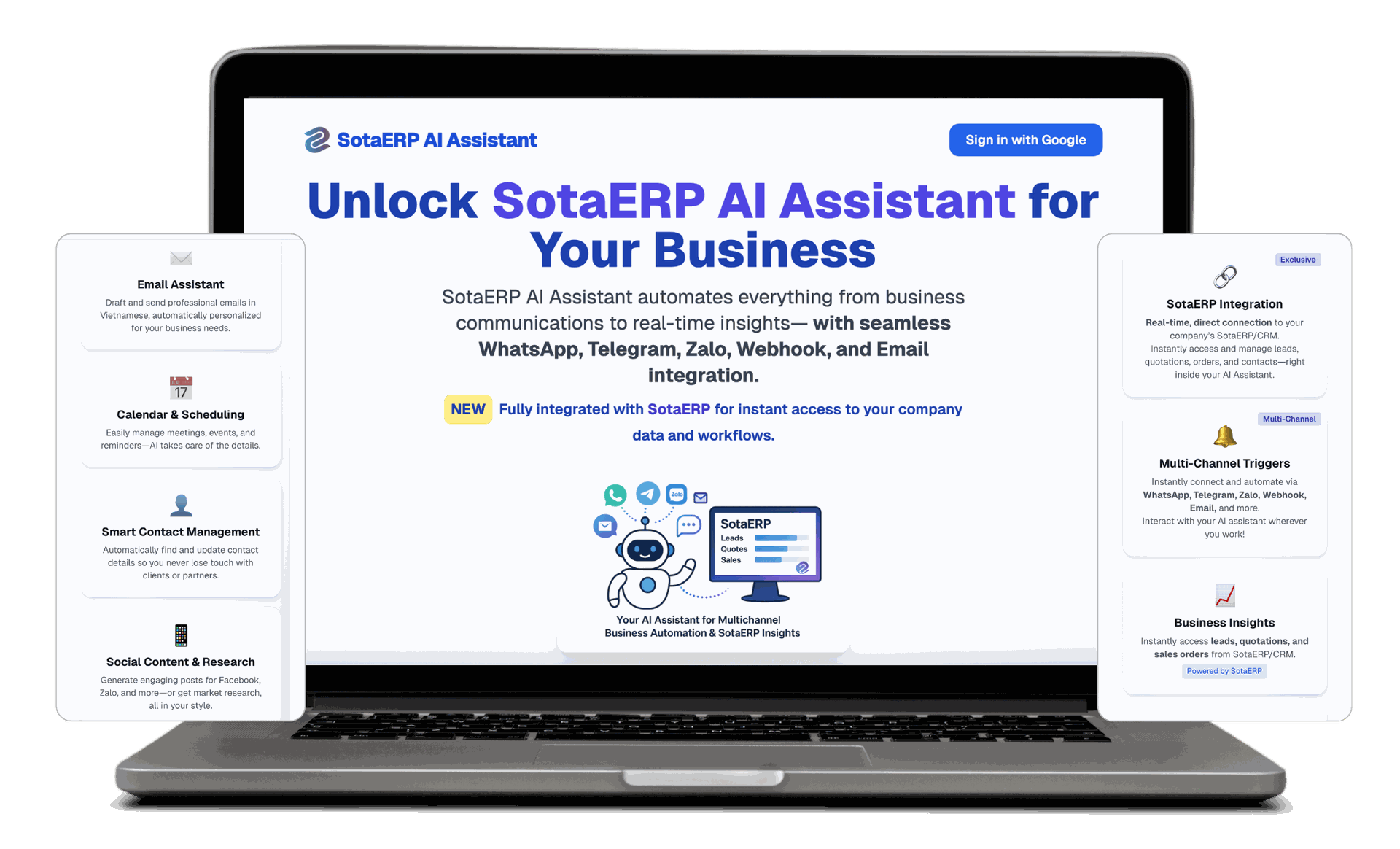
3.1 Sota ERP AI Assistantlà gì? Những lý do doanh nghiệp cần một trợ lý AI toàn diện
Sota ERP AI Assistant hay còn gọi là trợ lý AI (trí tuệ nhân tạo) giúp người dùng quản lý công việc một cách hiệu quả hơn. Với sự tích hợp giữa AI và hệ thống quản lý vận hành thì Sota AI còn được ứng dụng khi người dùng sử dụng Sota FMS và Sota CRMlog.
Sota ERP AI Assistant mang lại rất nhiều lợi ích cho doanh nghiệp như
- Dự báo chính xác: AI phân tích dữ liệu lịch sử, nhận diện xu hướng để hỗ trợ nhà quản lý ra quyết định nhanh và hiệu quả hơn.
- Tự động hóa thông minh: Hệ thống có thể tự học, đề xuất hành động tiếp theo, tự xử lý ngoại lệ và giảm phụ thuộc vào thao tác thủ công.
- Tối ưu chi phí & năng suất: AI giúp phát hiện lãng phí, cắt giảm chi phí và giải phóng nhân sự khỏi các công việc lặp lại.
- Cải thiện trải nghiệm khách hàng: Cá nhân hóa dịch vụ, xử lý nhanh hơn và đáp ứng đúng nhu cầu khách hàng.
- Kiểm soát rủi ro tốt hơn: Phát hiện bất thường và cảnh báo sớm các vấn đề về tài chính, giao dịch hoặc vận hành.
- Linh hoạt & dễ mở rộng: Hệ thống có khả năng học hỏi và thích nghi nhanh với thay đổi của thị trường và doanh nghiệp.
3.2 Sota ERP AI Assistant- trợ lý AI (trí tuệ nhân tạo) tối ưu quản lý công việc
3.1 Trợ lý chăm sóc khách hàng - Customer Chatbot
- Chatbot có khả năng phản hồi 24/7 trên nhiều kênh phổ biến như website, Facebook, Zalo hay các nền tảng nhắn tin khác, giúp khách hàng nhận được câu trả lời tức thời.
- Tự động đề xuất chuyển tiếp đến nhân viên khi gặp tình huống phức tạp và tích hợp với dữ liệu trong ERP để cung cấp thông tin chính xác theo thời gian thực.
Quản lý công việc và lịch trình thông minh
- Lên lịch và nhắc nhở tự động, giúp doanh nghiệp quản lý công việc và lịch trình khoa học hơn. Chỉ với một thao tác đơn giản, người dùng có thể tạo lịch họp, phân bổ công việc hoặc nhắc nhở tự động cho cá nhân và nhóm.
- Chỉnh sửa, cập nhật thay đổi lịch nhanh chóng, đồng bộ với các thiết bị và hệ thống khác để tránh bỏ sót nhiệm vụ quan trọng. Đây chính là công cụ hỗ trợ lãnh đạo và nhân viên quản lý thời gian một cách thông minh, góp phần nâng cao năng suất toàn tổ chức.
Trợ lý Email
- Gửi mail hay tạo lịch họp từ danh sách liên hệ có sẵn để lấy thông tin email và gửi lời mời tới khách hàng.
- Tích hợp với lịch làm việc giúp doanh nghiệp quản lý thời gian gửi mail chính xác hơn, đảm bảo thông tin được truyền tải đúng lúc và đúng đối tượng. .
Tích hợp CRM và báo cáo khách hàng 360
- Theo dõi toàn bộ thông tin từ hồ sơ, lịch sử giao dịch cho đến tỷ lệ chuyển đổi và mức độ hài lòng của khách hàng.
- Trong các báo cáo, biểu đồ phân tích được trình bày trực quan, dễ hiểu và có thể truy cập ngay trên nhiều nền tảng phổ biến như Zalo, WhatsApp hay Telegram, giúp chủ doanh nghiệp nắm bắt thông tin nhanh chóng mọi lúc, mọi nơi.
Tìm kiếm và tra cứu thông tin tức thời
- Tìm kiếm và tra cứu dữ liệu doanh nghiệp trong thời gian thực. Người dùng chỉ cần nhập hoặc ra lệnh bằng giọng nói, hệ thống sẽ ngay lập tức truy xuất thông tin từ ERP, hoặc các tài liệu khác được lưu trữ trực tiếp thông qua Google Drive.
- Với tính năng này, lãnh đạo và nhân viên có thể nhanh chóng có được thông tin chính xác, phục vụ cho việc ra quyết định hoặc xử lý các tình huống phát sinh mà không bị gián đoạn.
Sáng tạo nội dung và nghiên cứu thị trường
- Tự động đề xuất ý tưởng, soạn thảo nội dung cho các chiến dịch marketing hoặc bài đăng mạng xã hội, đảm bảo tính phù hợp với đối tượng khách hàng mục tiêu.
- Hỗ trợ phân tích xu hướng thị trường, đánh giá hành vi khách hàng và đối thủ cạnh tranh, từ đó cung cấp báo cáo trực quan để doanh nghiệp dễ dàng đưa ra chiến lược kinh doanh hiệu quả.
Internet Search – Tìm kiếm và cập nhật thông tin tức thời
- Dễ dàng tìm kiếm mọi loại thông tin cần thiết từ thị trường, xu hướng ngành nghề cho đến dữ liệu đối thủ.
- Phân tích và tóm lược súc tích, giúp tiết kiệm tối đa thời gian đọc, sàng lọc và xử lý dữ liệu. Nhờ vậy, lãnh đạo và nhân viên có thể nhanh chóng tiếp cận nguồn thông tin chuẩn xác, luôn cập nhật và kịp thời cho việc ra quyết định chiến lược.
Công nghệ OCR (Optical Character Recognition)
- Tự động đọc và trích xuất thông tin từ booking hãng tàu, giảm đến 70% thời gian nhập liệu thủ công.
- Đảm bảo dữ liệu chính xác, cập nhật tức thì vào hệ thống.
- Tối ưu hóa nhân sự và giảm thiểu chi phí vận hành.
4. Kết luận
Chuyển đổi số trong logistics không chỉ đơn thuần là áp dụng công nghệ mà còn là quá trình tái cấu trúc toàn bộ quy trình vận hành và quản lý dữ liệu. Những rào cản như nhập liệu thủ công, quản lý khách hàng rời rạc hay thiếu khả năng phân tích dữ liệu có thể làm chậm quá trình phát triển của doanh nghiệp.
Với sự hỗ trợ từ các nền tảng Sota FMS, Sota CRMlog và Sota ERP AI Assistant, doanh nghiệp logistics có thể xây dựng một hệ thống quản lý hiện đại, tự động hóa nhiều quy trình quan trọng và khai thác dữ liệu hiệu quả hơn. Điều này không chỉ giúp tăng năng suất làm việc, giảm chi phí vận hành mà còn tạo nền tảng vững chắc cho sự phát triển bền vững trong tương lai. Liên hệ chúng tôi để được tư vấn những phần mềm chuyển đổi số mới nhất giúp doanh nghiệp bạn tối ưu vận hành và tiết kiệm chi phí.