As the global economy undergoes a profound shift toward digitalization, Vietnam’s logistics sector is inextricably linked to this inevitable wave of change. Regarded as the 'lifeblood' of the economy, logistics plays a pivotal role in bridging the gap between production and consumption. However, to sustain a competitive edge and align with global standards, digital transformation is no longer a mere option—it has become a matter of survival.
This article provides an in-depth analysis of the current state, existing barriers, and the strategic digital transformation roadmap for Vietnam’s logistics industry, with a vision toward 2025–2030.
1. Overview of digital transformation’s role in the logistics industry
Logistics digital transformation is the strategic integration of digital technologies—such as AI, IoT, Big Data, Blockchain, and Cloud Computing—into key operational stages, including transportation, warehousing, order management, customs, shipment tracking, and supply chain optimization. The ultimate goal is to build a smart, transparent, and sustainable logistics ecosystem.
In Vietnam, the logistics sector maintains an average growth rate of 14-16% per year, with a market valuation of approximately USD 40-42 billion. However, logistics costs currently account for about 18% of GDP, significantly higher than those of regional peers. Digital transformation serves as a critical lever to reduce operational expenses, accelerate customs clearance, optimize routing, and elevate the overall customer experience.
Recognizing this, the Government has enacted numerous supporting policies, most notably Decision No. 2229/QD-TTg, which approved the Vietnam Logistics Service Development Strategy for 2025-2035, with a vision toward 2050. The strategy outlines clear, ambitious objectives: 80% of logistics enterprises are expected to adopt digital solutions by 2035, aiming for 100% in the following period. Furthermore, the policy emphasizes the promotion of green logistics and the development of integrated, synchronized infrastructure.
2. The current landscape of digital transformation in Vietnam’s logistics sector
Significant milestones
Over the past two years, there has been a marked shift in technological awareness among logistics enterprises. According to reports from the Vietnam Logistics Business Association (VLA), the adoption rate of Warehouse Management Systems (WMS) and Transport Management Systems (TMS) has grown by approximately 20-30%. Industry leaders have also spearheaded substantial investments in automated systems and smart sorting centers to enhance operational throughput.
Core challenges and barriers
Despite these advancements, the digital transformation landscape still faces persistent challenges:
- Fragmented business structure: Over 90% of Vietnam’s logistics providers are Small and Medium Enterprises (SMEs). This fragmented structure leads to a limited capital pool, making it difficult for firms to afford high-cost, enterprise-grade software suites.
- Lack of data synchronization: Information flow across different stages—including warehousing, transportation, and seaports—is frequently siloed. The absence of a seamless, interconnected data environment prevents real-time visibility across the supply chain.
- Exorbitant logistics costs: Currently, logistics expenses in Vietnam account for approximately 16-19% of GDP, significantly higher than those in developed nations. This disparity is primarily driven by a heavy reliance on manual processes and a lack of widespread automation.
- Shortage of high-quality talent: There is a notable deficit in "hybrid" professionals—those who possess both deep logistics domain expertise and the technical proficiency to master digital tools.
3. Vietnam’s logistics digital transformation roadmap 2025 – 2030
The Government of Vietnam has officially designated logistics as a priority sector within the National Digital Transformation Program. The development roadmap is strategically structured into two distinct phases:
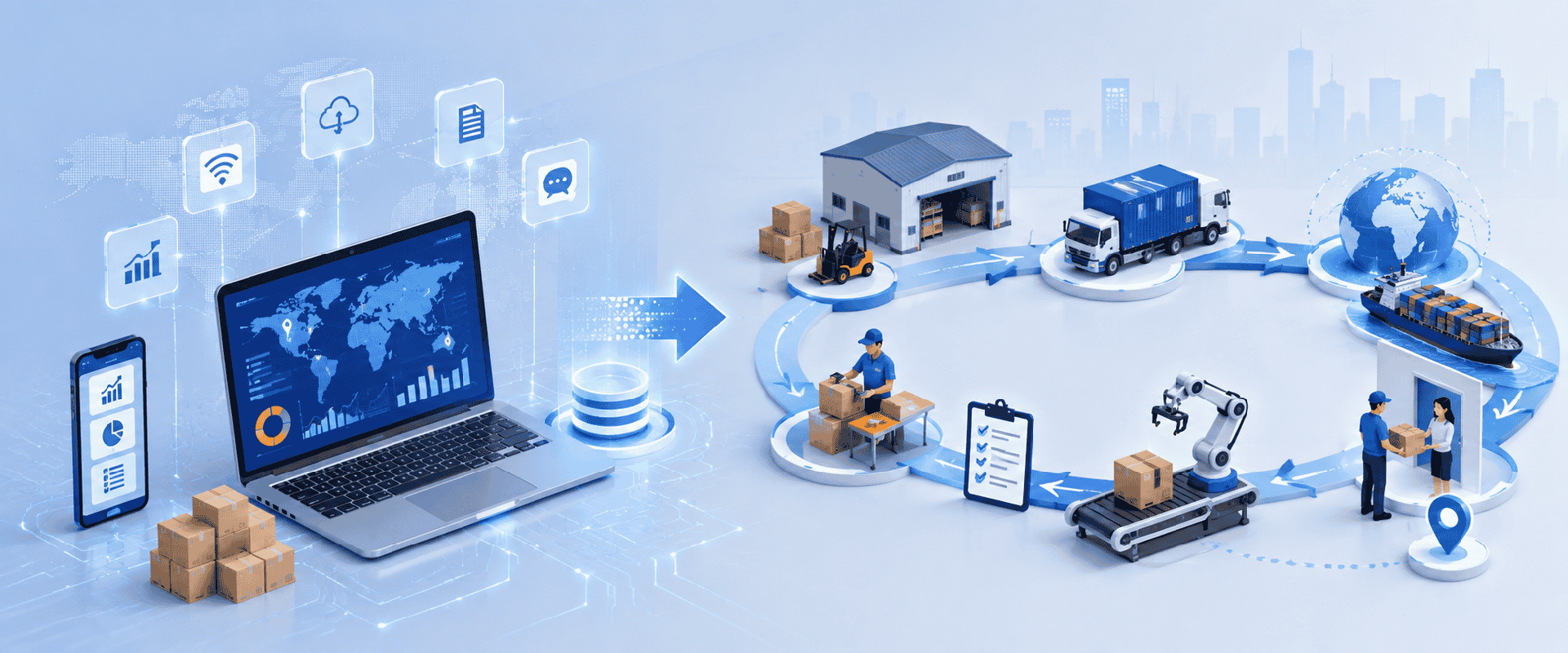
Phase 2025: Foundation digitization and process standardization
The primary objective of this phase is to complete the fundamental digital infrastructure for all industry participants:
- Universalizing management software: Encouraging enterprises to migrate from legacy manual management to agile, cloud-based platforms.
- Building shared databases: Establishing digital connectivity platforms that link cargo owners, logistics providers, and state regulatory authorities (such as Customs and Port Authorities).
- Implementing E-ID and digital signatures: Minimizing reliance on physical documentation to streamline cross-border trade and administrative workflows.
Phase 2026 – 2030: Advancing toward smart logistics
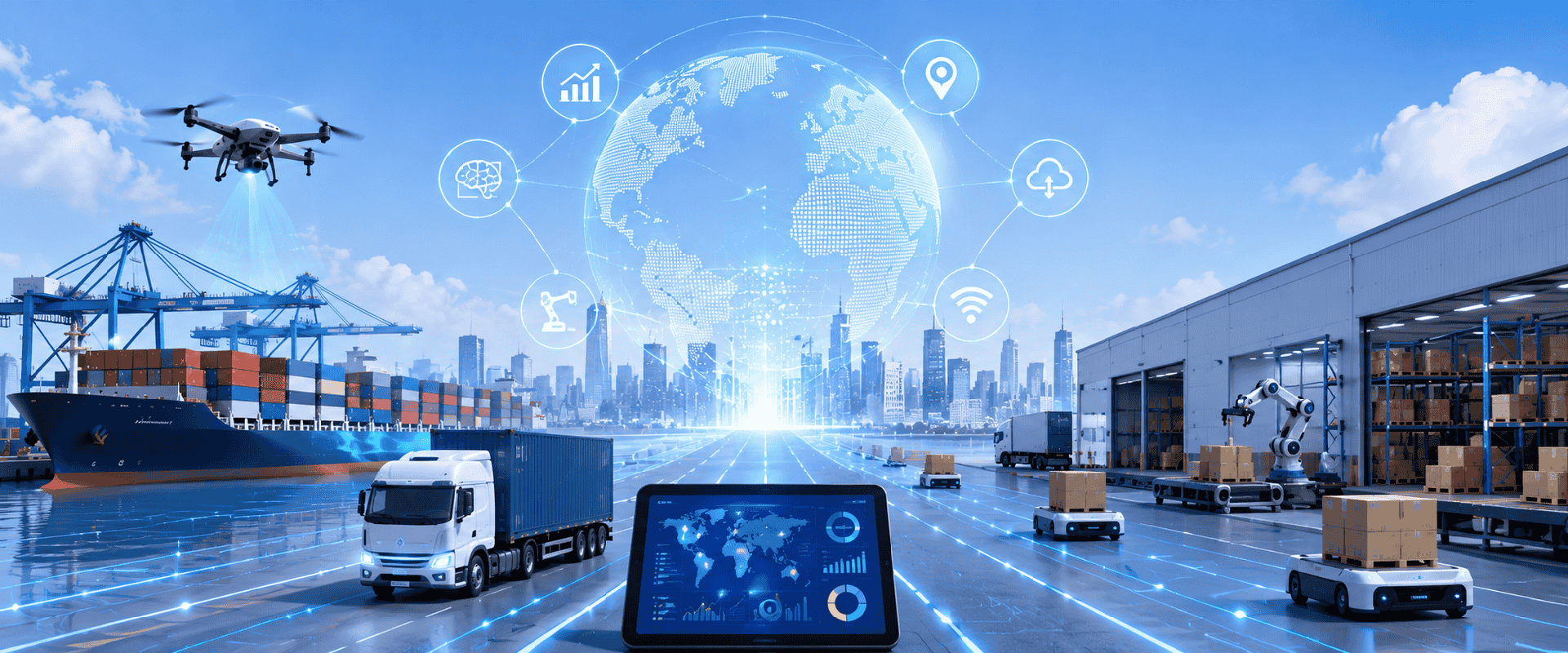
This phase focuses on achieving technological breakthroughs through deep-tech integration:
- Artificial intelligence (AI) integration: Leveraging AI to optimize transport routing, significantly reducing fuel consumption and enhancing delivery precision.
- Internet of Things (IoT): Deploying smart sensors across containers and vehicle fleets for 24/7 monitoring of cargo conditions, including temperature, humidity, and structural impact.
- Blockchain in the supply chain: Ensuring absolute transparency and immutable data security for end-to-end cargo traceability.
- Green logistics: Utilizing technology as a critical tool to measure and mitigate carbon emissions, ensuring compliance with global ESG (Environmental, Social, and Governance) standards.
4. Key technologies shaping the future of the logistics industry
To successfully implement the 2025–2030 roadmap, logistics enterprises must focus on the deployment and integration of the following core technological solutions:
Enterprise Resource Planning (ERP) Systems
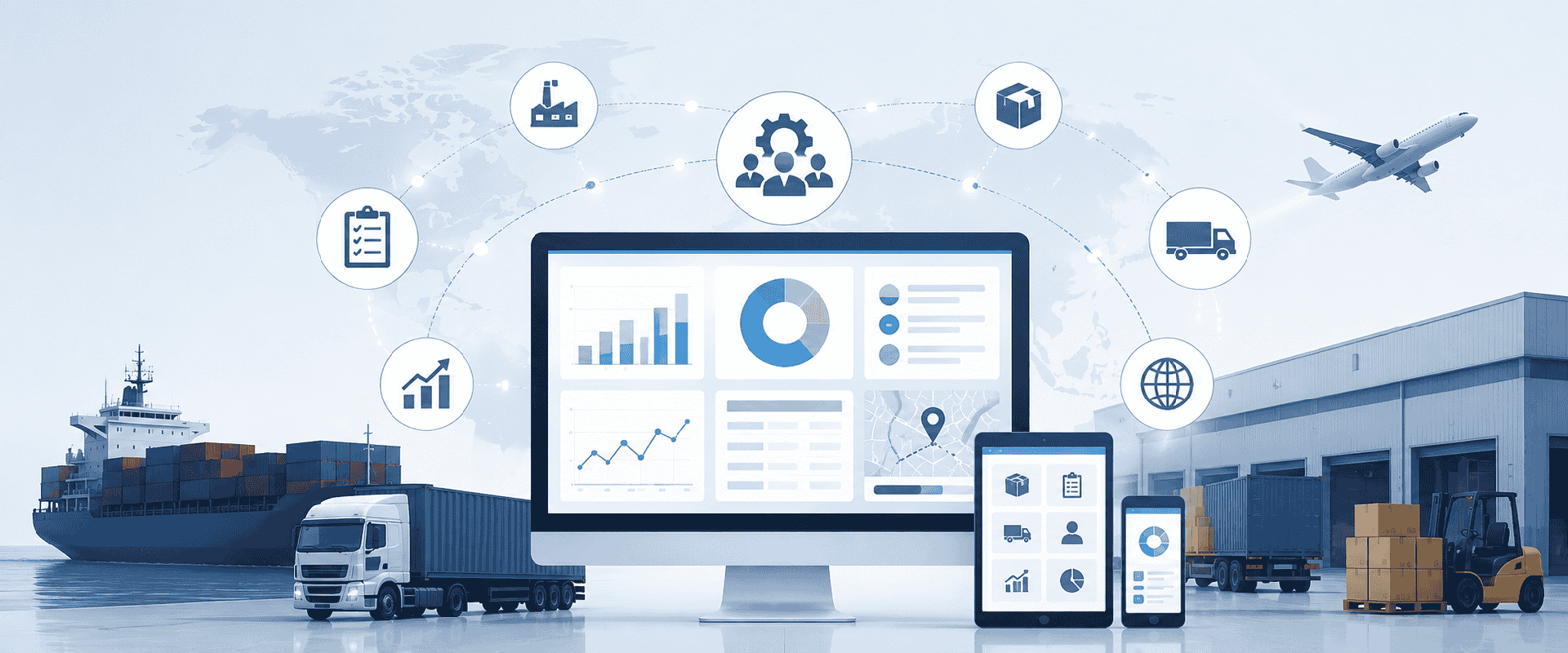
Acting as the central "brain" of all operations, an ERP system is essential for breaking down data silos between departments. For logistics firms, a specialized ERP integrates core operational workflows with essential modules such as Accounting, HR, Procurement, and Customer Relationship Management (CRM). This synchronization provides 360-degree visibility into both financial flows and cargo movement, enabling leadership to monitor profit margins per order and make precise, real-time executive decisions.
Transport Management Systems (TMS)
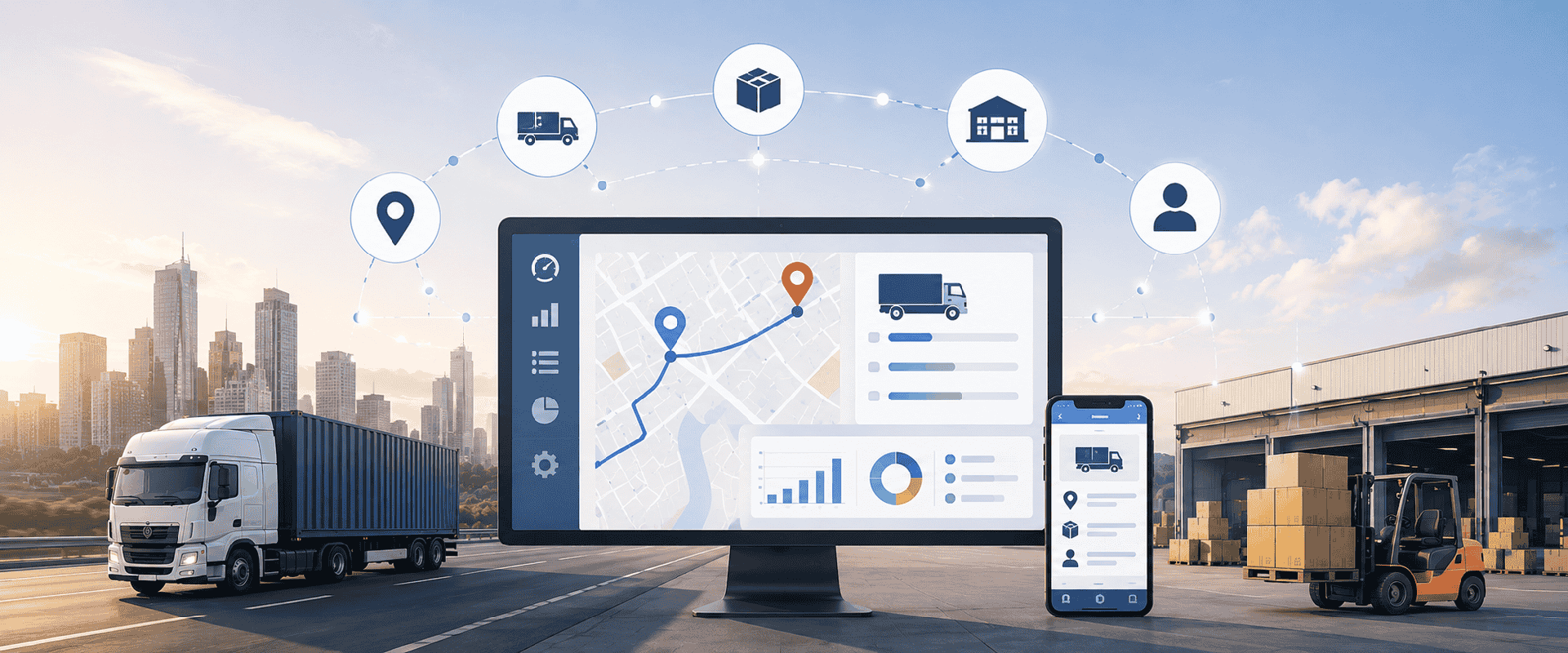
Modern TMS solutions go far beyond simple fleet management. Next-generation systems integrate digital mapping and advanced algorithms for load optimization and automated dispatching. This solution allows businesses to maintain rigorous control over fuel costs and road tolls while significantly enhancing fleet capacity and utilization efficiency.
Warehouse Management Systems (WMS)
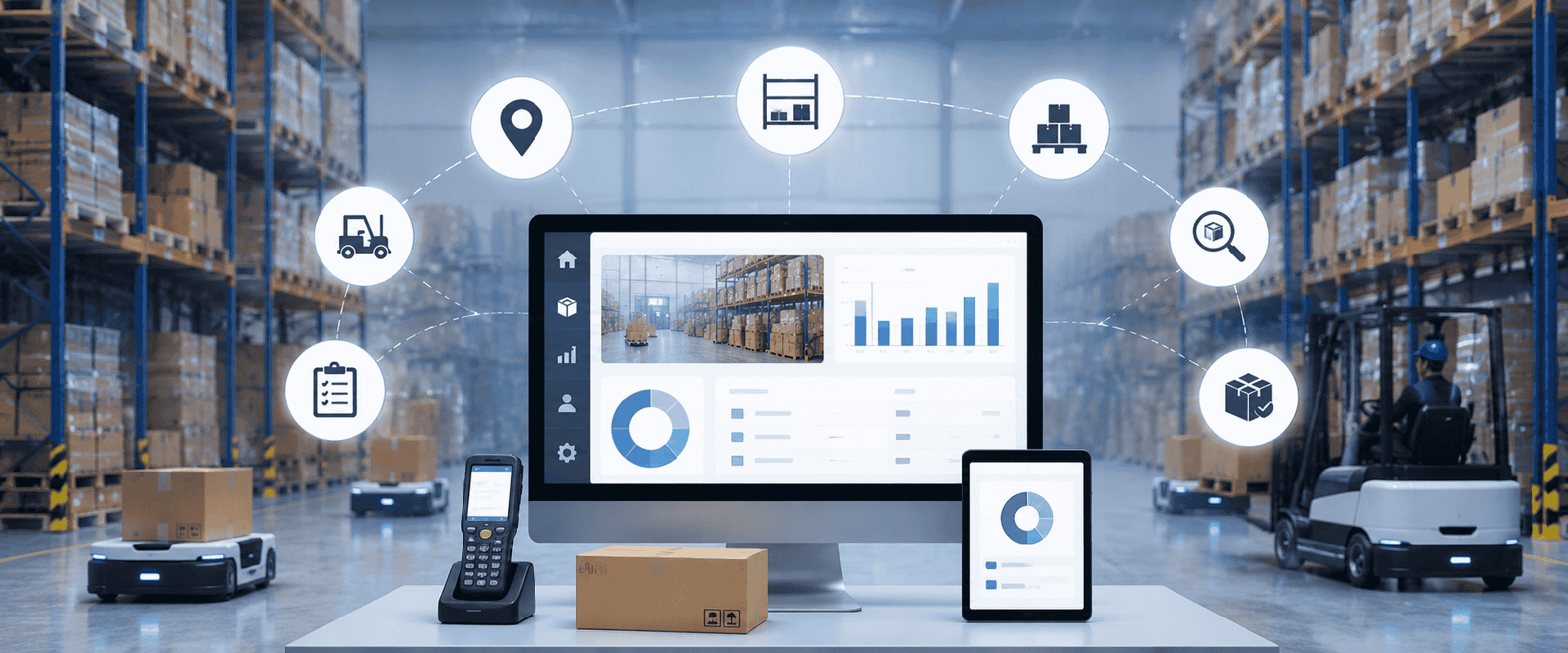
A sophisticated WMS automates the entire lifecycle of receiving, shipping, and inventory tracking through Barcode or RFID technology. When integrated with autonomous equipment (such as AGVs), a WMS can increase order processing speed and accuracy by several folds compared to manual methods, while simultaneously optimizing storage space utilization.
Big Data Analytics
In the digital era, data is a strategic asset. Big Data analytics allow enterprises to mine vast amounts of historical operational data to forecast market demand fluctuations, identify potential supply chain risks, and develop robust contingency plans.
5. Sota Solutions: Your strategic partner in the logistics digital transformation journey
In an era of rapid technological volatility, selecting a partner with deep-seated expertise and a profound understanding of Vietnam's unique logistics landscape is a critical success factor. Sota Solutions prides itself on being a pioneer in delivering comprehensive digital transformation solutions tailored specifically for logistics enterprises.
Why do businesses place their trust in Sota Solutions?
- Deep local market insights: We design our solutions based on the actual operational realities of Vietnamese businesses, ensuring high compatibility and seamless deployment within the local infrastructure.
- A diverse solution ecosystem: Our portfolio provides end-to-end coverage, ranging from Warehouse Management Systems (WMS) and Transport Management Systems (TMS) to advanced, in-depth data analytics solutions.
- Seasoned expert team: With years of hands-on experience in the field, Sota Solutions offers more than just software; we provide structured digital transformation consulting and strategic roadmaps optimized for each business's unique scale and objectives.
- Commitment to long-term partnership: We provide holistic support—from initial site surveys and implementation to personnel training and system maintenance—ensuring that the digital transition is as smooth and cost-effective as possible.
The professionalism and execution agility of Sota Solutions have empowered numerous enterprises to optimize their supply chains, significantly reduce operational costs, and sharpen their competitive edge in the global market.
6. Conclusion
The digital transformation of Vietnam’s logistics industry for the 2025–2030 period is a long and challenging journey, but it also unlocks unprecedented opportunities for growth. Enterprises that embrace change and invest in technology today will be the ones to lead the market tomorrow.
Do not let your business fall behind in the digital race. Success begins with a clear roadmap and the guidance of leading industry experts.
Are you ready for the 2025 Logistics digital transformation roadmap? Contact Sota Solutions today for an in-depth consultation and a "tailor-made" solution designed specifically for your enterprise's unique needs.