Trong bối cảnh ESG ngày càng trở thành tiêu chuẩn bắt buộc, các doanh nghiệp SMEs đang đối mặt với áp lực phải minh bạch và phát triển bền vững. Bài viết này phân tích vai trò của ERP như một nền tảng công nghệ giúp SMEs triển khai ESG hiệu quả, từ quản lý dữ liệu, tối ưu vận hành đến đáp ứng yêu cầu báo cáo và tuân thủ. Trong những năm gần đây, ESG (Environmental – Social – Governance) không còn là khái niệm dành riêng cho các tập đoàn lớn, mà đã trở thành tiêu chuẩn quan trọng đối với cả doanh nghiệp vừa và nhỏ (SMEs). Theo báo cáo của PwC năm 2023, hơn 79% nhà đầu tư tổ chức toàn cầu cho biết ESG là một trong những yếu tố quan trọng khi đưa ra quyết định đầu tư. Tại Việt Nam, SMEs chiếm tới 97% tổng số doanh nghiệp và đóng góp khoảng 45% GDP cả nước (theo Bộ Kế hoạch và Đầu tư), khiến việc áp dụng ESG trong nhóm này trở nên đặc biệt có ý nghĩa.
Tuy nhiên, với SMEs, bài toán đặt ra là: làm sao triển khai ESG khi nguồn lực hạn chế? Đây chính là lúc ERP (Enterprise Resource Planning) phát huy vai trò. Không chỉ là công cụ quản trị, ERP đang trở thành nền tảng giúp SMEs:
- Thu thập và quản lý dữ liệu ESG
- Tích hợp ESG vào vận hành hàng ngày
- Đáp ứng yêu cầu báo cáo và tuân thủ
Trong bài viết này, chúng ta sẽ cùng tìm hiểu cách ERP trở thành "đòn bẩy" giúp SMEs tiến gần hơn đến mục tiêu phát triển bền vững.
1. Tổng quan về ERP và ESG
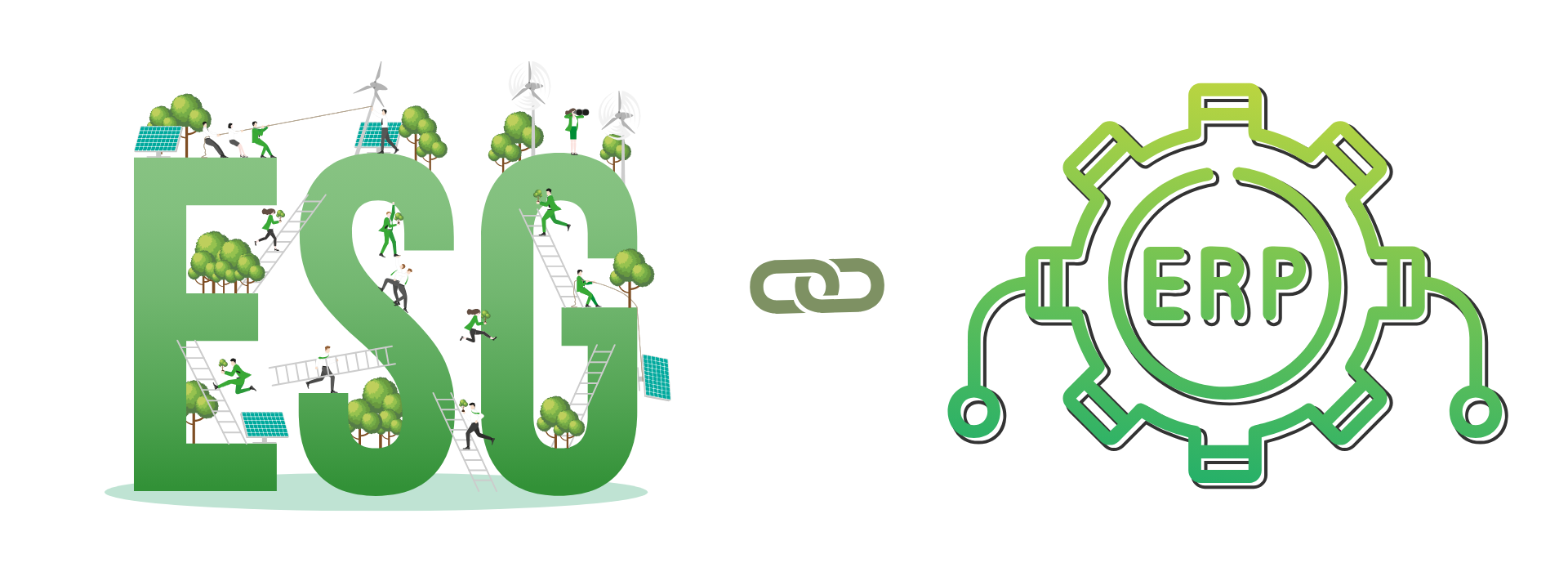
1.1. What is ERP and why do SMEs need it?
ERP (Enterprise Resource Planning) là hệ thống phần mềm tích hợp giúp doanh nghiệp quản lý toàn bộ hoạt động trên một nền tảng duy nhất, bao gồm: tài chính – kế toán, nhân sự, sản xuất, chuỗi cung ứng, bán hàng,...
Tất cả các phân hệ này không hoạt động độc lập mà liên kết chặt chẽ với nhau theo thời gian thực, giúp doanh nghiệp có một “bức tranh toàn cảnh” về hoạt động vận hành.
Đối với SMEs, ERP mang lại 3 giá trị cốt lõi:
- Tập trung dữ liệu – tránh rời rạc, sai lệch
- Tự động hóa quy trình – giảm chi phí vận hành
- Ra quyết định dựa trên dữ liệu – nhanh và chính xác hơn
Quan trọng hơn, ERP tạo ra một hệ thống dữ liệu có cấu trúc – yếu tố nền tảng để triển khai ESG.
Với SMEs, ERP đặc biệt quan trọng vì giúp giải quyết những khó khăn phổ biến như dữ liệu thiếu đồng bộ, quy trình thủ công và khó kiểm soát hiệu suất. Nhờ ERP, doanh nghiệp có thể tập trung dữ liệu về một nguồn duy nhất, tự động hóa nhiều quy trình vận hành và đưa ra quyết định nhanh hơn dựa trên số liệu thực tế thay vì cảm tính.
Quan trọng hơn, ERP còn đóng vai trò như nền tảng dữ liệu cốt lõi. Khi doanh nghiệp bắt đầu triển khai ESG, việc có sẵn một hệ thống dữ liệu rõ ràng, minh bạch và có thể đo lường sẽ giúp mọi hoạt động trở nên dễ dàng và hiệu quả hơn rất nhiều.
1.2. What is ESG and why can't SMEs ignore it?
ESG (Environmental – Social – Governance) là bộ tiêu chuẩn đánh giá mức độ phát triển bền vững của doanh nghiệp, xoay quanh ba yếu tố: môi trường, xã hội và quản trị. Thay vì chỉ tập trung vào lợi nhuận, ESG giúp doanh nghiệp nhìn rộng hơn về tác động của mình đối với cộng đồng và cách vận hành minh bạch, có trách nhiệm.
- Environmental (Môi trường): tiêu thụ năng lượng, phát thải, quản lý tài nguyên
- Social (Xã hội): quyền lợi người lao động, an toàn, trách nhiệm cộng đồng
- Governance (Quản trị): minh bạch, kiểm soát nội bộ, đạo đức kinh doanh
Đối với SMEs, ESG mang lại lợi ích thực tế:
- Dễ tiếp cận vốn (đặc biệt từ quỹ quốc tế)
- Tăng uy tín với đối tác lớn
- Giảm rủi ro pháp lý
- Tạo lợi thế cạnh tranh dài hạn
Tuy nhiên, điểm khó là ESG đòi hỏi dữ liệu liên tục, chính xác và có thể đo lường – điều mà nhiều SMEs chưa sẵn sàng.
Với bối cảnh Việt Nam, ESG đang dần có cơ sở pháp lý rõ ràng hơn. Luật Bảo vệ môi trường 2020 yêu cầu các doanh nghiệp lớn phải thực hiện kiểm kê khí nhà kính và công bố báo cáo phát thải. Thông tư 96/2020/TT-BTC của Bộ Tài chính quy định về công bố thông tin phát triển bền vững dành cho các công ty niêm yết trên HOSE và HNX. Đây là tín hiệu cho thấy áp lực ESG sẽ lan rộng xuống cả chuỗi cung ứng, bao gồm các SMEs là nhà cung cấp cho các doanh nghiệp lớn.
Bên cạnh đó, việc áp dụng ESG còn giúp SMEs nâng cao uy tín thương hiệu, dễ dàng tiếp cận nguồn vốn và giảm thiểu rủi ro pháp lý. Quan trọng hơn, ESG giúp doanh nghiệp vận hành hiệu quả và bền vững hơn trong dài hạn — không chỉ “tăng trưởng nhanh” mà còn “tăng trưởng đúng”.
2. Vai trò cụ thể của ERP trong từng trụ cột ESG
ERP không chỉ dừng lại ở việc quản lý vận hành mà còn đóng vai trò trực tiếp trong việc “hiện thực hóa” từng trụ cột của ESG. Thông qua dữ liệu và quy trình, ERP giúp doanh nghiệp chuyển các mục tiêu bền vững thành hành động cụ thể, có thể đo lường và cải tiến.

2.1 Environmental (Môi trường)
Ở khía cạnh môi trường, thách thức lớn nhất của SMEs là thiếu khả năng đo lường. ERP giải quyết điều này bằng cách thu thập và hệ thống hóa dữ liệu từ hoạt động vận hành hàng ngày.
Cụ thể, doanh nghiệp có thể:
- Theo dõi tiêu thụ năng lượng và nguyên vật liệu: ERP ghi nhận dữ liệu từ sản xuất, kho và vận hành, giúp xác định khu vực nào đang tiêu tốn tài nguyên nhiều nhất.
- Quản lý chất thải và phát thải: thông qua dữ liệu sản xuất và logistics, doanh nghiệp có thể ước tính lượng chất thải, khí thải và xây dựng kế hoạch cắt giảm.
- Tối ưu chuỗi cung ứng: ERP giúp lựa chọn nhà cung cấp, tối ưu tồn kho và vận chuyển → giảm lãng phí và giảm tác động môi trường.
Ví dụ minh họa: Một doanh nghiệp sản xuất bao bì quy mô khoảng 150 nhân sự, sau khi triển khai ERP và kết nối dữ liệu tiêu thụ nguyên vật liệu theo từng lô sản xuất, đã phát hiện mức thất thoát nguyên liệu lên đến 12% mỗi tháng mà trước đây không thể đo lường được. Chỉ sau 6 tháng tối ưu quy trình dựa trên dữ liệu ERP, tỷ lệ này giảm xuống còn dưới 5%, tiết kiệm đáng kể chi phí và đồng thời cải thiện chỉ số môi trường của doanh nghiệp.
Doanh nghiệp không chỉ “nói về bảo vệ môi trường” mà có thể đo lường – kiểm soát – cải thiện một cách cụ thể.
2.2. Social (Xã hội)
Trụ cột xã hội tập trung vào con người – từ nhân viên đến cộng đồng. ERP đóng vai trò quan trọng trong việc đảm bảo tính minh bạch và công bằng trong quản lý nhân sự.
Cụ thể:
- Quản lý nhân sự minh bạch: mọi thông tin về hợp đồng, lương thưởng, đánh giá hiệu suất đều được lưu trữ rõ ràng, giảm rủi ro thiên vị hoặc sai sót.
- Theo dõi phúc lợi và điều kiện làm việc: ERP giúp doanh nghiệp kiểm soát giờ làm, tăng ca, nghỉ phép… từ đó đảm bảo tuân thủ quy định và cải thiện trải nghiệm nhân viên.
- Tuân thủ quy định lao động: hệ thống tự động cập nhật và cảnh báo khi có sai lệch (ví dụ: vượt giờ làm, thiếu bảo hiểm…).
Nhờ đó, SMEs có thể xây dựng môi trường làm việc chuyên nghiệp hơn, giữ chân nhân tài và nâng cao hình ảnh doanh nghiệp.
2.3. Governance (Quản trị)
Quản trị là nền tảng của ESG, và cũng là nơi ERP thể hiện rõ giá trị nhất. Một hệ thống ERP tốt giúp doanh nghiệp vận hành minh bạch, có kiểm soát và dễ kiểm toán.
Cụ thể:
- Minh bạch tài chính: tất cả giao dịch được ghi nhận theo thời gian thực, hạn chế gian lận và sai sót.
- Kiểm soát nội bộ: ERP thiết lập quy trình phê duyệt, phân quyền rõ ràng → giảm rủi ro vận hành.
- Hỗ trợ báo cáo và kiểm toán: dữ liệu được lưu trữ có hệ thống, giúp doanh nghiệp dễ dàng lập báo cáo ESG, báo cáo tài chính hoặc phục vụ kiểm toán.
Điều này đặc biệt quan trọng khi SMEs muốn:gọi vốn, làm việc với đối tác lớn, mở rộng ra thị trường quốc tế: tích hợp dữ liệu, tự động hóa quy trình, hỗ trợ ra quyết định
3. Lợi ích của ERP khi áp dụng ESG cho SMEs
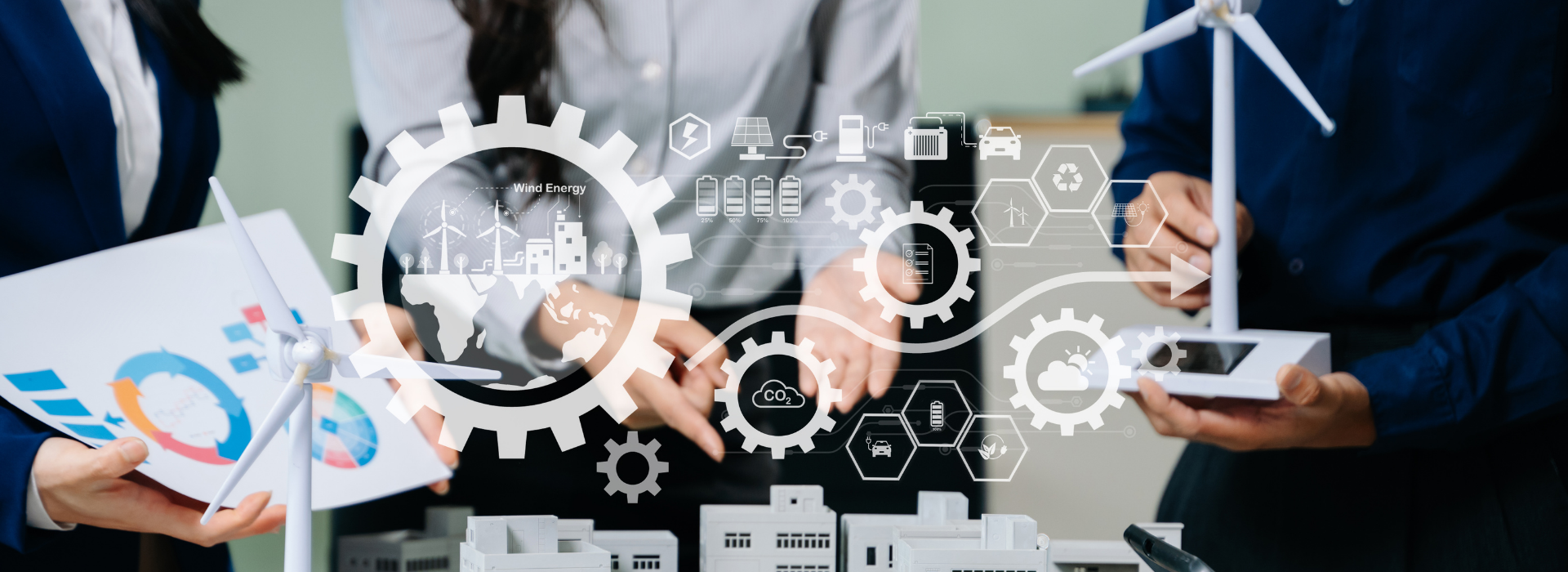
Việc kết hợp ERP với ESG không chỉ giúp SMEs đáp ứng các yêu cầu phát triển bền vững, mà còn mang lại nhiều lợi ích thực tế trong vận hành và tăng trưởng dài hạn. Quan trọng nhất, ERP giúp ESG trở nên cụ thể, đo lường được và tạo ra giá trị kinh doanh rõ ràng.
Tăng tính minh bạch và độ tin cậy của dữ liệu
Một trong những yêu cầu cốt lõi của ESG là dữ liệu phải chính xác và minh bạch. ERP giúp doanh nghiệp giải quyết bài toán này bằng cách tập trung toàn bộ dữ liệu trên một hệ thống duy nhất, cập nhật theo thời gian thực và giảm thiểu sai lệch giữa các phòng ban. Nhờ đó, SMEs có thể tự tin hơn khi làm việc với nhà đầu tư, đối tác hoặc cơ quan kiểm toán, thay vì mất thời gian đối soát và xử lý dữ liệu rời rạc.
Nâng cao hiệu quả vận hành
Khi các quy trình được số hóa và tự động hóa qua ERP, doanh nghiệp không chỉ làm việc nhanh hơn mà còn vận hành “gọn” hơn. Việc giảm lãng phí nguyên vật liệu, tối ưu chi phí và nâng cao hiệu suất nhân sự diễn ra một cách tự nhiên nhờ hệ thống. Đây cũng chính là nền tảng giúp SMEs cải thiện các yếu tố thuộc Environmental và Social trong ESG mà không cần đầu tư quá nhiều nguồn lực bổ sung.
Dễ dàng đo lường và lập báo cáo ESG
Với nhiều SMEs, khó khăn lớn nhất khi triển khai ESG không phải là “có làm hay không” mà là “đo lường như thế nào”. ERP giúp thu thập dữ liệu liên tục từ hoạt động thực tế, tự động tổng hợp theo từng phòng ban và xuất báo cáo một cách có hệ thống. Nhờ đó, ESG không còn là những cam kết mang tính định tính mà trở thành các chỉ số cụ thể, có thể theo dõi và cải thiện theo thời gian.
Tăng khả năng tiếp cận vốn và đối tác
Trong bối cảnh ESG ngày càng trở thành tiêu chuẩn, việc có một hệ thống ERP phía sau giúp SMEs chứng minh được tính minh bạch và năng lực quản trị của mình. Điều này không chỉ giúp doanh nghiệp dễ dàng đáp ứng các tiêu chí đánh giá, mà còn nâng cao độ tin cậy trong mắt nhà đầu tư và đối tác. Đây là một lợi thế quan trọng nếu SMEs muốn tham gia sâu hơn vào chuỗi cung ứng toàn cầu.
Giảm rủi ro và tăng khả năng tuân thủ
ERP giúp thiết lập các quy trình kiểm soát nội bộ rõ ràng, từ đó doanh nghiệp có thể phát hiện sớm sai lệch hoặc rủi ro trong vận hành. Đồng thời, hệ thống cũng hỗ trợ tuân thủ các quy định liên quan đến lao động, tài chính và môi trường một cách nhất quán. Kết quả là SMEs có thể giảm thiểu nguy cơ vi phạm pháp lý và hạn chế các tổn thất không đáng có.
Tạo lợi thế cạnh tranh bền vững
Về lâu dài, sự kết hợp giữa ERP và ESG không chỉ giúp doanh nghiệp vận hành tốt hơn mà còn định vị tốt hơn trên thị trường. Một doanh nghiệp minh bạch, có trách nhiệm sẽ dễ dàng xây dựng thương hiệu, thu hút khách hàng và giữ chân nhân sự chất lượng. Quan trọng hơn, SMEs có thể phát triển theo hướng bền vững, thay vì chỉ chạy theo tăng trưởng ngắn hạn.
4. Thách thức khi SMEs triển khai ERP cho ESG
Chi phí đầu tư ban đầu cao
Đối với SMEs, việc triển khai ERP không chỉ dừng ở chi phí mua phần mềm mà còn bao gồm hạ tầng, tư vấn triển khai, tùy chỉnh hệ thống và cả chi phí vận hành sau đó. Khi gắn thêm mục tiêu ESG, doanh nghiệp có thể cần mở rộng phạm vi theo dõi dữ liệu (môi trường, nhân sự, tuân thủ), khiến tổng chi phí tăng lên đáng kể. Trong khi đó, lợi ích của ERP và ESG thường không đến ngay lập tức mà cần thời gian tích lũy, khiến nhiều doanh nghiệp gặp áp lực về dòng tiền và khó đưa ra quyết định đầu tư.
Thiếu dữ liệu hoặc dữ liệu không đồng bộ
Phần lớn SMEs vận hành dựa trên nhiều nguồn dữ liệu rời rạc như Excel, phần mềm kế toán riêng lẻ hoặc thậm chí giấy tờ thủ công. Khi triển khai ERP, doanh nghiệp phải đối mặt với bài toán “làm sạch dữ liệu” – bao gồm chuẩn hóa, loại bỏ sai lệch và đồng bộ giữa các phòng ban. Điều này không chỉ tốn thời gian mà còn dễ phát sinh lỗi nếu không có quy trình rõ ràng. Đặc biệt, ESG yêu cầu dữ liệu phải có tính liên tục và truy xuất được, nên nếu nền tảng dữ liệu ban đầu yếu, việc triển khai sẽ càng khó khăn hơn.
Khó khăn trong thay đổi văn hóa doanh nghiệp
ERP buộc doanh nghiệp phải làm việc theo quy trình rõ ràng và có kỷ luật hơn, trong khi nhiều SMEs quen với cách vận hành linh hoạt, dựa vào kinh nghiệm cá nhân. Việc chuyển từ “làm theo thói quen” sang “làm theo hệ thống” thường gặp sự kháng cự từ nhân viên, đặc biệt khi họ cảm thấy bị kiểm soát nhiều hơn hoặc phải thay đổi cách làm việc quen thuộc. Nếu không có sự cam kết từ lãnh đạo và chiến lược quản lý thay đổi phù hợp, ERP rất dễ bị triển khai nửa vời và không phát huy hiệu quả.
Yêu cầu đào tạo và nâng cao năng lực nhân sự
ERP chỉ thực sự hiệu quả khi người dùng hiểu và sử dụng đúng cách. Tuy nhiên, với SMEs, nguồn lực cho đào tạo thường hạn chế, trong khi nhân sự có thể chưa quen với các hệ thống công nghệ phức tạp. Việc đào tạo không chỉ dừng ở hướng dẫn sử dụng phần mềm mà còn bao gồm hiểu quy trình, cách nhập liệu chuẩn và cách khai thác dữ liệu phục vụ quản lý. Nếu thiếu đầu tư vào yếu tố con người, doanh nghiệp dễ rơi vào tình trạng “có hệ thống nhưng không dùng hết”, ảnh hưởng trực tiếp đến hiệu quả triển khai ESG.
5. Xu hướng tương lai
ERP tích hợp AI và Big Data trong ESG
Trong tương lai, ERP không chỉ dừng lại ở việc lưu trữ và quản lý dữ liệu mà sẽ tích hợp sâu hơn với AI và Big Data để phân tích và dự đoán. Thay vì chỉ theo dõi các chỉ số ESG, doanh nghiệp có thể sử dụng AI để phát hiện xu hướng tiêu thụ năng lượng, dự báo rủi ro trong chuỗi cung ứng hoặc đề xuất các phương án tối ưu tài nguyên. Điều này giúp SMEs chuyển từ “phản ứng” sang “chủ động” trong việc quản lý và cải thiện hiệu suất ESG.
Tự động hóa báo cáo ESG
Một xu hướng rõ ràng là việc lập báo cáo ESG sẽ ngày càng được tự động hóa thông qua ERP. Thay vì tổng hợp thủ công từ nhiều nguồn, hệ thống có thể tự động thu thập, chuẩn hóa và xuất báo cáo theo các tiêu chuẩn quốc tế. Điều này không chỉ tiết kiệm thời gian mà còn giảm sai sót và nâng cao độ tin cậy của dữ liệu.
Các framework báo cáo ESG đang được áp dụng rộng rãi mà SMEs cần biết gồm:
- GRI (Global Reporting Initiative): bộ tiêu chuẩn phổ biến nhất thế giới cho báo cáo phát triển bền vững, áp dụng cho mọi quy mô doanh nghiệp.
- ISSB/IFRS S1 & S2: bộ chuẩn mới do Hội đồng Chuẩn mực Bền vững Quốc tế ban hành (2023), tập trung vào công bố rủi ro khí hậu và tài chính bền vững — đang được nhiều quốc gia tích hợp vào luật.
- CSRD (Corporate Sustainability Reporting Directive): quy định mới của EU hiệu lực từ 2024–2025, yêu cầu minh bạch ESG cho toàn bộ chuỗi cung ứng vào thị trường châu Âu. Điều này ảnh hưởng trực tiếp đến SMEs Việt Nam xuất khẩu sang EU — nếu không đáp ứng, có thể mất đơn hàng.
Trong tương lai gần, carbon accounting (kế toán phát thải carbon) sẽ trở thành một yêu cầu cụ thể mà ERP cần tích hợp, đặc biệt khi các thị trường lớn như EU áp dụng cơ chế điều chỉnh biên giới carbon (CBAM).
Gia tăng yêu cầu minh bạch từ thị trường quốc tế
Các thị trường lớn và đối tác toàn cầu ngày càng đặt ra yêu cầu cao về minh bạch ESG, đặc biệt trong chuỗi cung ứng. SMEs muốn tham gia hoặc duy trì vị trí trong chuỗi giá trị này buộc phải chứng minh được dữ liệu rõ ràng, có thể truy xuất và đáng tin cậy. Trong bối cảnh đó, ERP sẽ trở thành công cụ gần như “bắt buộc”, giúp doanh nghiệp đáp ứng yêu cầu minh bạch và nâng cao năng lực cạnh tranh trên thị trường quốc tế.
6. Kết luận
Trong bối cảnh ESG ngày càng trở thành tiêu chuẩn trong kinh doanh, ERP không còn đơn thuần là một công cụ quản lý mà đã trở thành nền tảng quan trọng giúp doanh nghiệp triển khai và thực thi ESG một cách hiệu quả. Nhờ khả năng tập trung dữ liệu, chuẩn hóa quy trình và hỗ trợ đo lường, ERP giúp các mục tiêu phát triển bền vững không chỉ dừng lại ở chiến lược mà thực sự đi vào vận hành hàng ngày.
Đối với SMEs, việc đầu tư vào ERP nên được nhìn nhận như một bước đi dài hạn thay vì chi phí ngắn hạn. Khi được triển khai đúng cách, ERP không chỉ giúp doanh nghiệp tối ưu vận hành mà còn tạo nền tảng vững chắc để đáp ứng các yêu cầu ESG, nâng cao uy tín và mở rộng cơ hội hợp tác trong tương lai. Nói cách khác, đầu tư vào ERP hôm nay chính là chuẩn bị cho một mô hình tăng trưởng bền vững và cạnh tranh hơn trong ngày mai.
Nguồn tham khảo: PwC Global Investor Survey 2023; McKinsey & Company – ESG and value creation 2023; Bộ Kế hoạch và Đầu tư Việt Nam; GRI Standards; IFRS Sustainability Disclosure Standards (ISSB); EU Corporate Sustainability Reporting Directive (CSRD).