With Vietnam's logistics sector growing at an average annual rate of 14-16%, competitive pressure is forcing transportation companies to optimize their operational processes. A transportation management system (TMS) has become a core tool that helps businesses control costs, improve service quality, and expand service capacity.
However, reality shows that many companies face significant difficulties during TMS implementation, such as budget overruns, project delays, or underutilized systems after deployment. This article summarizes key considerations to help transportation businesses effectively prepare for and implement a TMS.
What is a TMS and why do transportation companies need it?
A Transportation Management System (TMS) is a comprehensive logistics platform that supports the planning, execution, tracking, and optimization of the entire cargo transportation process. The system gathers data from multiple sources and analyzes it to suggest optimal routes, select appropriate vehicles and carriers, and provide real-time tracking.
For transportation companies in Vietnam, a TMS is not just a mere management tool but a digital transformation platform that connects fleets, warehouses, partners, and customers within a seamless ecosystem. According to studies, implementing a TMS can reduce transportation costs by 10-15% or higher, improve on-time delivery rates, and increase supply chain visibility.
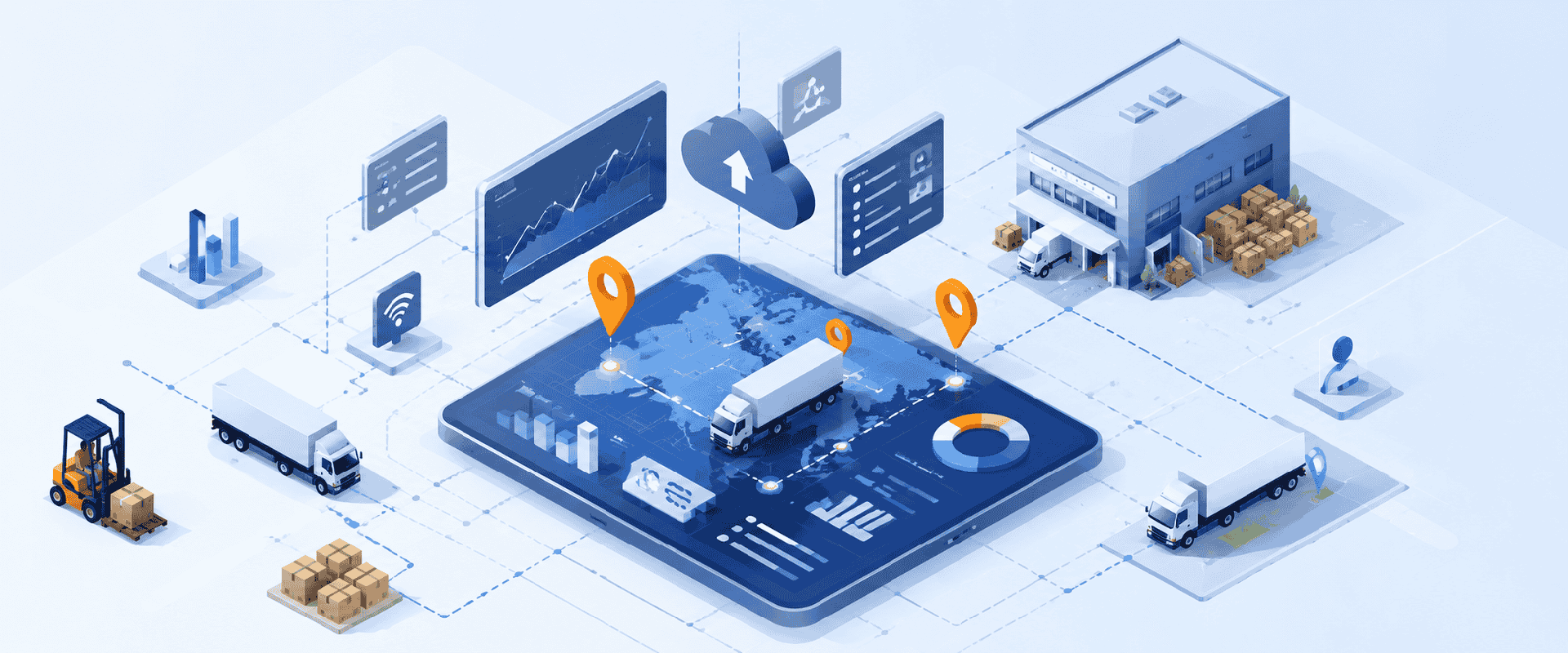
Key considerations for transportation companies when implementing a TMS
1. Comprehensive operational assessment prior to implementation
The first step, which also determines the success or failure of a TMS project, is assessing the current state of operations. Businesses must clearly answer key questions: How are current transportation processes running? Where are the bottlenecks? What tools are being used to manage data?
Many transportation companies in Vietnam still manage orders, routes, and costs using Excel or fragmented software. Accurately identifying these pain points helps define the appropriate scope for TMS implementation, preventing overinvestment or a shortage of essential features.
The assessment scope should include: fleet size and route networks, daily order volume, collaboration processes between departments (dispatch, warehouse, accounting, customer service), IT infrastructure readiness, and internal IT staff capability.
2. Defining clear goals and KPIs for the TMS project
Implementing a TMS is not simply about "digitizing" existing processes. Companies must establish specific, measurable goals. For example: reducing fuel costs by 15% within the first 6 months, shortening order processing time by 20%, or increasing the on-time delivery rate to 95%.
Clear KPIs help businesses evaluate implementation effectiveness at each stage, while providing a baseline to adjust system configurations when necessary. Without specific objectives, a project can easily fall into a state of "completed implementation, but unknown success."
3. Selecting a TMS solution tailored to specific business needs
The market currently offers various TMS solutions with different scales and features. A common mistake is choosing a system based on brand reputation or the number of features without aligning it with actual requirements.
Criteria to consider when selecting a TMS solution include:
- Customization capability: Does the system allow configuration based on the company's unique processes? Road transport companies will have different requirements compared to multimodal transport operators.
- Integration capability: The TMS must connect with existing systems such as warehouse management systems (WMS), ERP, accounting software, and e-commerce platforms.
- Scalability: The solution must accommodate the company's growth rate over the next 3 to 5 years.
- Technical support and training: Does the provider have a support team in Vietnam that understands the operational context of local businesses?
This is why many Vietnamese logistics companies choose to partner with implementation consultants who possess hands-on industry experience, rather than purchasing software and attempting self-implementation.
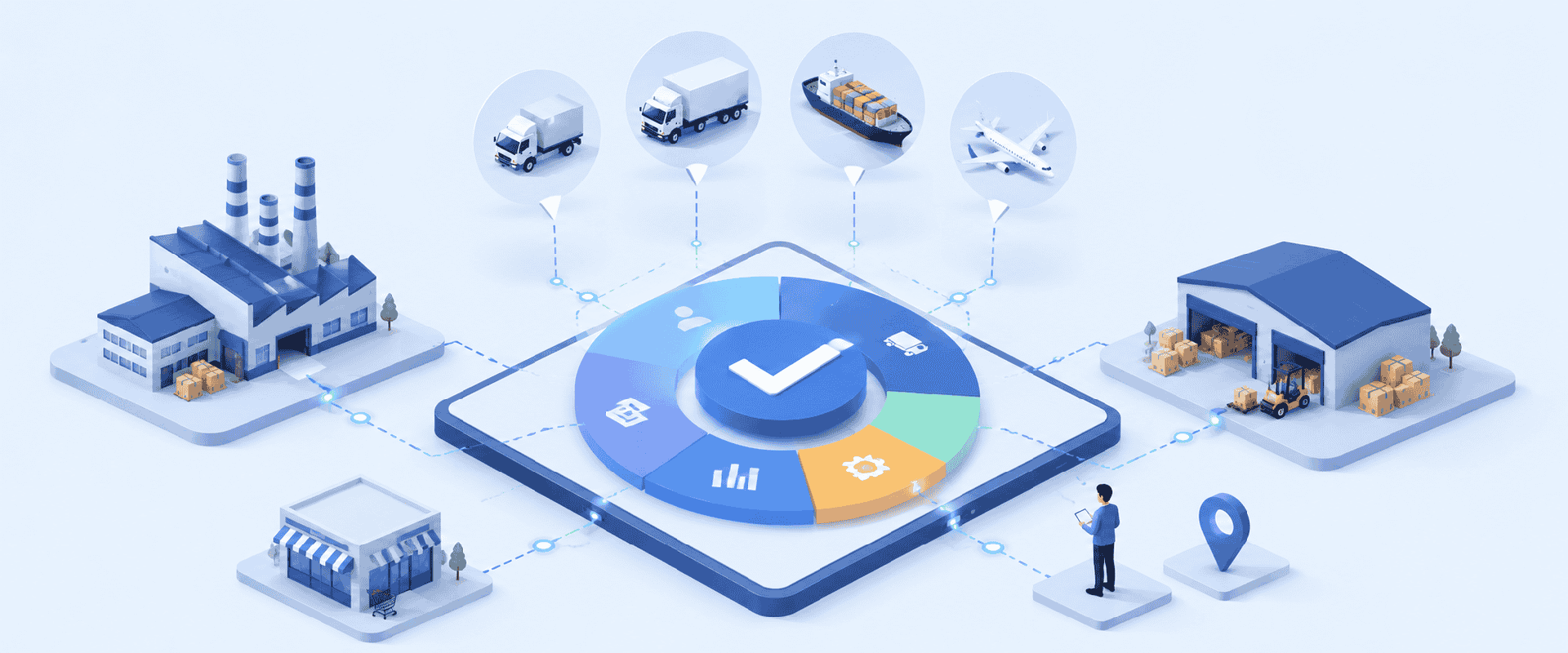
4. Planning a phased rollout
Implementing a full-scale TMS all at once carries high risks, especially for businesses without a solid digital foundation. A phased rollout approach is highly recommended as it helps companies control risks and leverage lessons learned from previous stages to improve subsequent ones.
A typical implementation roadmap may include:
- Phase 1 (Pilot): Deploying on a specific group of routes or at a single branch, focusing on core modules such as order management and vehicle dispatch.
- Phase 2 (Expansion): Adding route optimization and cost management modules, and integrating GPS tracking.
- Phase 3 (Comprehensive integration): Connecting with ERP/accounting systems, and deploying analytics reports and management dashboards.
Each phase must have clear milestones for evaluation before moving on to the next stage.
5. Investing seriously in training and change management
Technology only delivers value when people use it correctly. This is a factor that many companies underestimate. According to industry surveys, approximately 40-60% of technology project failures stem from human factors, not technical ones.
Businesses need to develop a structured training plan for each user group: dispatchers, drivers, warehouse managers, accountants, and senior leadership. Each group has different operational needs and levels of system access.
Alongside training, a change management strategy helps minimize employee resistance. Clearly communicating the benefits of the TMS, listening to feedback from end-users, and providing timely support mechanisms during the initial phase will establish a foundation for sustainable adoption.
6. Ensuring input data quality
"Garbage in, garbage out" – no matter how advanced a TMS is, it cannot produce accurate results if the input data is flawed. Prior to go-live, businesses must standardize their data: customer directories, route information, freight rate cards, fleet data, and order history.
The data migration process from the legacy system to the new TMS needs to be thoroughly verified with test scripts and reconciliation to ensure data integrity. Many companies skip this step and pay the price through reporting discrepancies, incorrect cost calculations, or the loss of critical historical data.
7. Selecting an implementation partner with capability and industry experience
An excellent TMS possesses advanced algorithms, but a competent implementation partner is the one who helps those algorithms work effectively within the specific operational environment in Vietnam. The domestic logistics market has its own unique characteristics, such as complex transportation infrastructure, unofficial costs, and a reliance on paper documents, which require consultants to have deep industry understanding.
A highly capable TMS implementation partner must meet three criteria:
- Experienced consulting team: Possessing hands-on experience in logistics and transportation processes, rather than just software coding skills.
- Modern technology: Offering flexible customization capabilities tailored to the specific challenges of the business, instead of fixed, unalterable features.
- Long-term commitment: Providing clear maintenance and service level agreement (SLA) technical support processes after acceptance.
In Vietnam, Sota Solutions is a reputable provider in consulting and implementing TMS solutions for logistics companies. With experience accompanying many transportation businesses through their digital transformation journeys, Sota Solutions provides comprehensive services ranging from operational assessments, solution consulting, and technical implementation to training and long-term operational support. Their key differentiator lies in the team's deep understanding of the operational specifics of Vietnamese logistics enterprises, allowing them to deliver practical, tailored solutions rather than applying a generic model.
8. Considerations for budget and total cost of ownership (TCO)
When budgeting for a TMS project, companies must account for the total cost of ownership (TCO) rather than focusing solely on the initial licensing fees. TCO includes: consulting and implementation costs, customization and integration expenses, training costs, annual operational and maintenance fees, and future upgrade expenses.
A common mistake is selecting a solution with low upfront costs but high customization and operational expenses, resulting in a total investment that far exceeds expectations. Businesses should require the implementation provider to supply a 3-to-5-year TCO estimate to gain a comprehensive overview.
Conclusion
Implementing a TMS is a strategic decision that requires thorough preparation, from operational assessments, goal definition, and solution selection to investing in people and processes. Transportation companies that approach a TMS project with a systemic mindset and a clear roadmap will significantly shorten their payback period and create a sustainable competitive advantage.
If your business is looking for a partner to accompany you on your transportation digital transformation journey, contact Sota Solutions for advice on a TMS solution tailored to your scale and operational specifics. The Sota team of experts is ready to support you from the initial assessment phase until the system operates smoothly and stably.