Amidst a volatile global economy characterized by supply chain disruptions and operational cost pressures, the logistics industry is standing at a critical turning point. Traditional logistics, with its reliance on manual processes, is increasingly revealing limitations in speed and accuracy.
The emergence of smart logistics is not merely a passing technological trend, but an absolute necessity for businesses to survive and thrive. What exactly is smart logistics, and why must Vietnamese businesses make this transition immediately?
1. What is smart logistics?
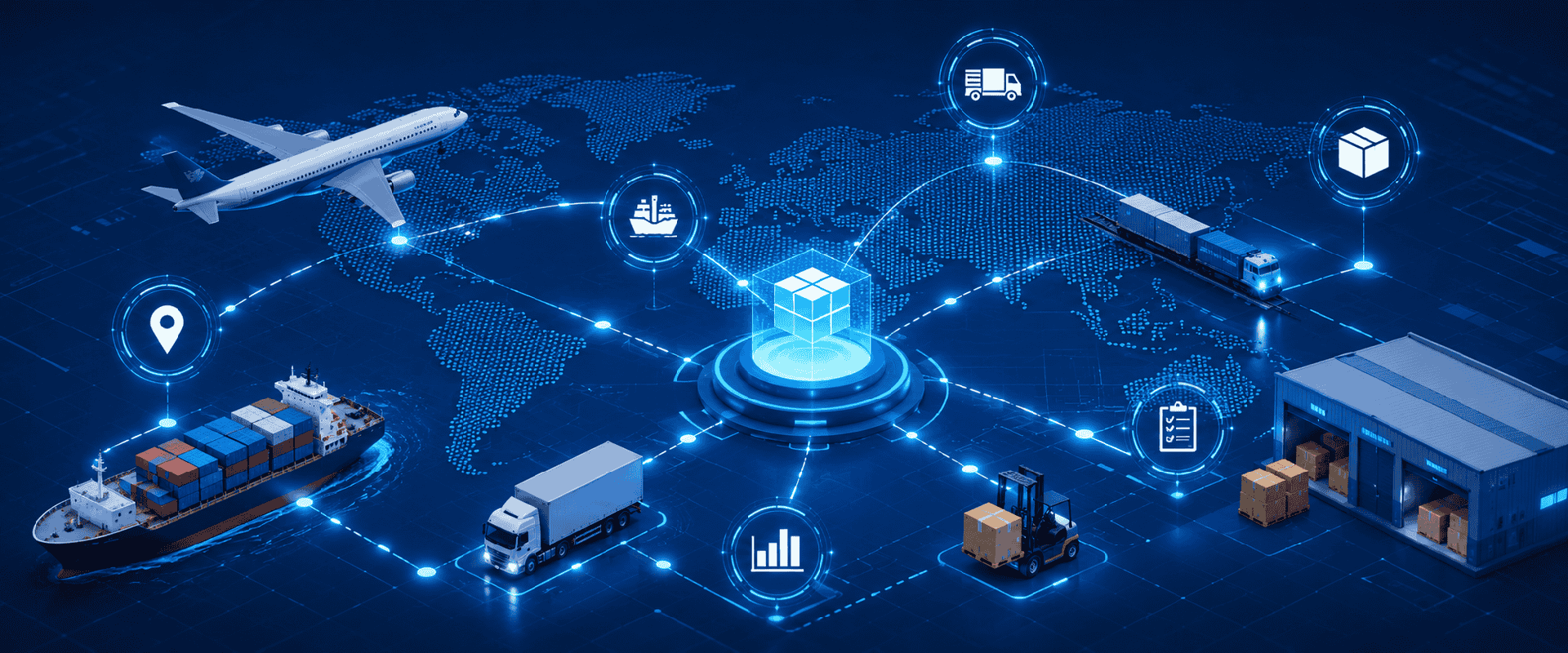
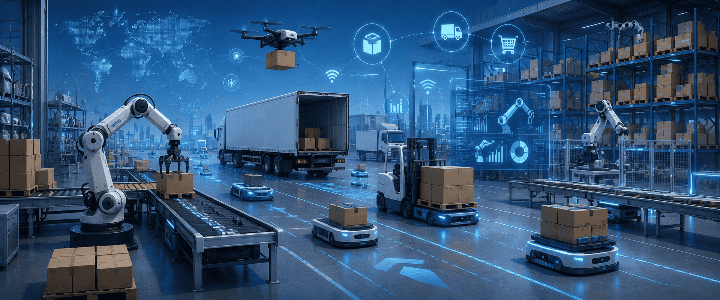
Smart logistics is a supply chain management and logistics operations model integrated with advanced technologies such as the Internet of Things (IoT), artificial intelligence (AI), big data, cloud computing, and automation. The core objective is to digitalize the entire process—from warehouse management, transportation, and order tracking to demand forecasting—in order to optimize efficiency, reduce operational costs, and enhance customer experience.
Unlike simply implementing standalone management software, smart logistics aims for a connected ecosystem where data is continuously collected, analyzed in real time, and transformed into precise operational decisions. This is an inevitable step forward as the Vietnamese logistics market faces growing competitive pressure from international corporations and rising expectations from customers.
2. Core technologies of smart logistics
IoT and smart sensors
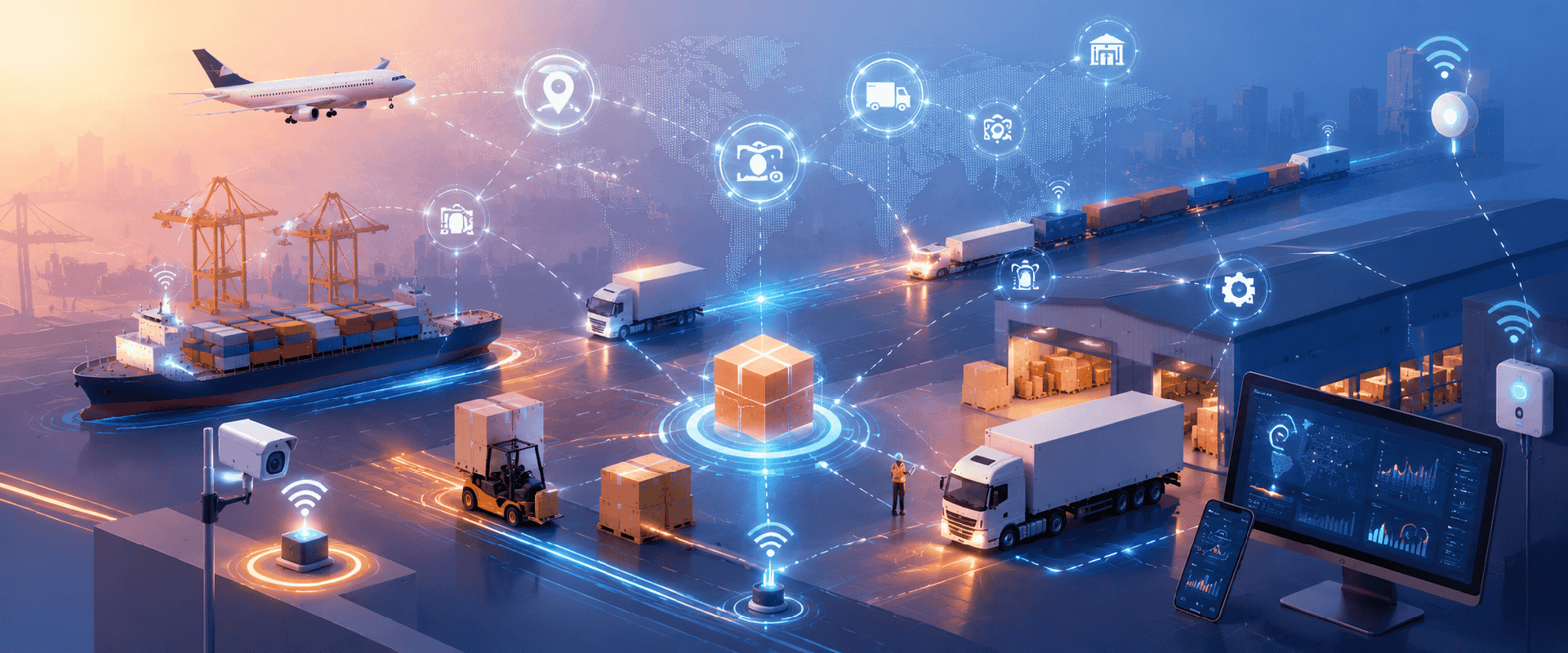
Sensor systems installed on transport vehicles, inside warehouses, and on cargo packages allow for the continuous collection of data regarding location, temperature, humidity, and goods status. This data is transmitted to a centralized system in real time, helping businesses monitor the entire supply chain without manual inspections.
Artificial intelligence and machine learning
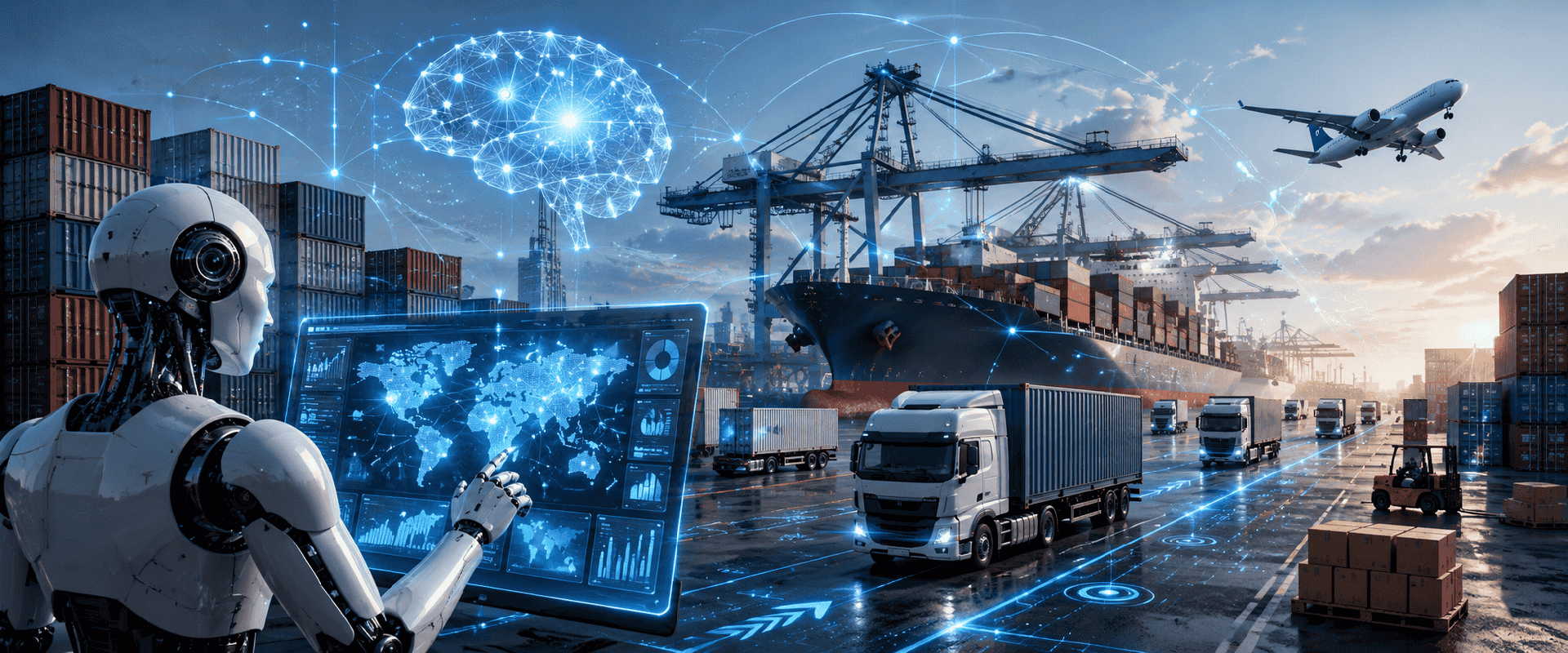
AI analyzes massive volumes of data to forecast demand, optimize transport routes, detect process anomalies, and provide operational recommendations. Machine learning enables the system to automatically improve its accuracy over time based on historical data.
Big Data Analytics
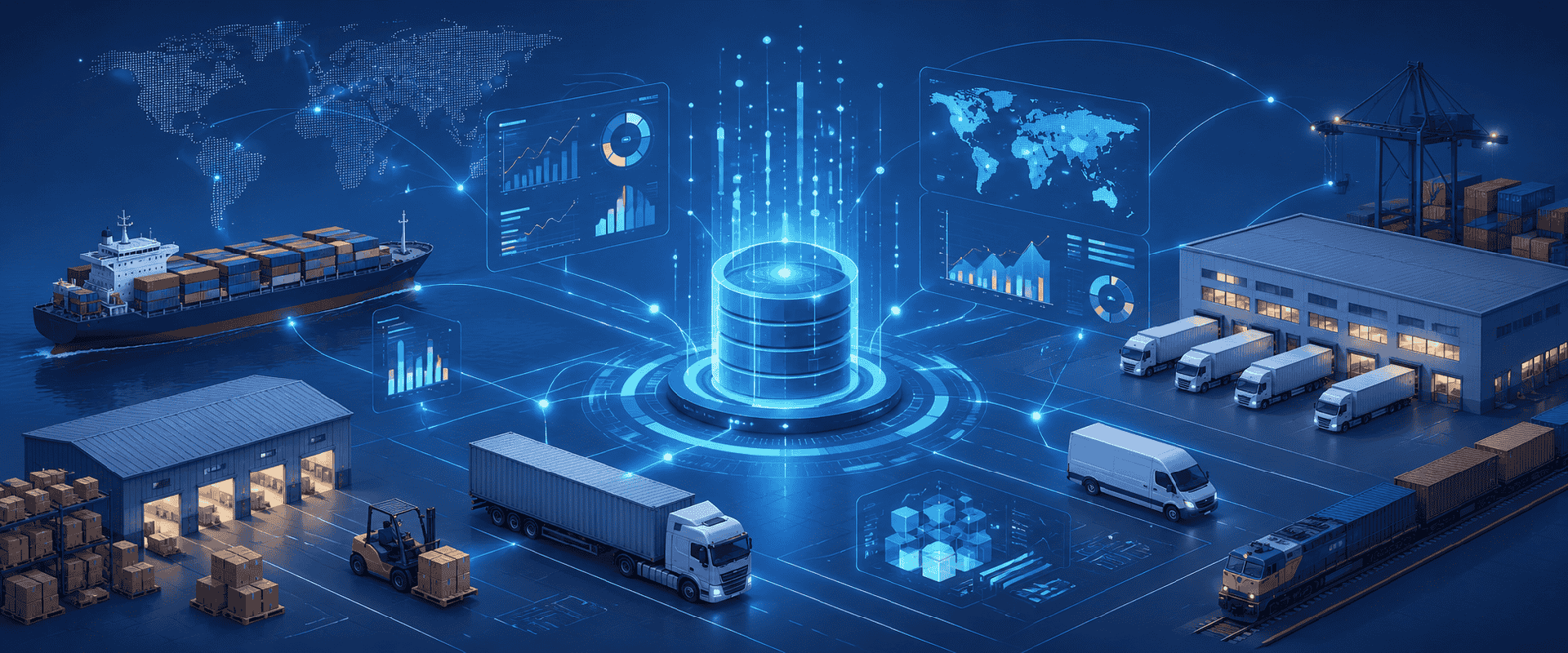
The capability to process and analyze data from multiple sources—such as orders, transportation, warehousing, and customer behavior—helps businesses view the big picture and make data-driven decisions rather than relying on intuition.
Automation and robotics
Warehouse robotics, automated sorting systems, and automated guided vehicles (AGVs) minimize dependence on manual labor, accelerate processing speeds, and reduce error rates.
In Vietnam, smart logistics is being heavily driven in accordance with the Logistics Services Development Strategy to 2035, aiming to digitalize and green the industry.
3. Differences between smart logistics and traditional logistics
To understand why transformation is necessary, we need to analyze the systemic differences between these two models:
Comparison criteria | Traditional logistics | Smart logistics |
Data & information | Fragmented and manual storage (Excel, paperwork). High information latency. | Centralized connectivity, real-time data. Transparent information across the chain. |
Operational process | Heavily dependent on humans, prone to subjective errors. | Highly automated through robots (AGVs), IoT sensors, and management software. |
Forecasting capability | Based on experience and intuition, often reactive. | Utilizes AI and predictive analytics to accurately forecast demand and risks. |
Response speed | Slow to respond to unexpected market changes. | Flexible and highly adaptive thanks to automated optimization scenarios. |
Long-term costs | High labor costs and operational errors, difficult to optimize scale. | High initial investment but low operational costs, clear ROI efficiency. |
Scalability | As the business grows, the traditional model requires a proportional increase in personnel and infrastructure. | Allows for flexible scalability thanks to a technology platform capable of handling larger volumes without a corresponding increase in operational resources. |
4. Benefits of transitioning to smart logistics
Implementing smart logistics brings tangible value to businesses:
- Increased operational efficiency and processing speed: Reducing inventory holding time and optimizing routes significantly shorten delivery times, meeting the fast delivery demands of e-commerce.
- Reduced operational costs: Fuel savings, minimized excess inventory, optimized vehicle loads, and reduced human error. Many businesses report saving 15-30% on logistics costs.
- Enhanced customer experience: Providing accurate and transparent tracking information increases customer satisfaction and loyalty.
- Increased competitiveness and scalability: Businesses possess the data needed to make strategic decisions, easily connect with international partners, and integrate into global supply chains.
- Support for green and sustainable logistics: Optimizing routes reduces CO2 emissions and allows for more efficient energy management.
- Better risk management: Forecasting disruptions (such as weather, pandemics, or port congestion) enables timely adjustments.
In the context of Vietnam, where logistics costs still account for a high percentage of GDP, digital transformation is the key to reducing costs and improving regional competitiveness.
5. Why businesses must transition to smart logistics right now?
Delaying digital transformation in the logistics sector not only causes businesses to stagnate but also creates a risk of being eliminated from the market.
Meeting rising customer expectations
In the e-commerce era, customers demand not only low prices but also ultra-fast delivery speeds and absolute transparency. Smart logistics enables real-time order tracking and shortens lead times, which the traditional model struggles to achieve perfectly.
Optimizing operational costs and profits
Logistics costs in Vietnam remain relatively high compared to the global average (accounting for about 16-20% of GDP). Implementing smart technology helps businesses cut down on fuel waste, optimize transport routes, and minimize warehousing costs, thereby directly improving profit margins.
Improving risk management capabilities
Events such as pandemics or natural disasters have demonstrated the fragility of traditional supply chains. Smart logistics provides a comprehensive view of the supply chain, helping businesses detect bottlenecks early and proactively implement alternative solutions based on data analysis.
Ensuring regulatory compliance and transparency
In Vietnam, the adoption of new accounting standards and regulations (such as transitioning to IFRS or transportation management circulars) requires data systems to be accurate and consistent. Smart logistics solutions help businesses automate reporting and easily ensure compliance.
Government support policies
The Vietnamese government has enacted various policies to promote digital transformation in the logistics sector, including the Action Plan to Improve Competitiveness and Develop Logistics Services. This is an opportune time for businesses to leverage support programs and initiate their transformation journey.
6. Implementation challenges and solutions
Common challenges include high initial investment costs, a shortage of tech-savvy personnel, and the difficulty of integrating with legacy systems. The solution is to start at an appropriate scale, choose a reputable partner with practical implementation experience in Vietnam, and actively train the workforce. The transformation steps should follow a clear roadmap: current state assessment → pilot implementation → comprehensive scaling.
Sota Solutions – a trusted digital transformation partner for logistics enterprises in Vietnam—provides specialized logistics ERP, CRMlog, and AI-integrated TMS solutions tailored for the industry, such as Sota FMS cho Freight Forwarding and transport management. With extensive experience implementing solutions for numerous enterprises, Sota Solutions supports businesses from consultation to deployment and optimization, helping Vietnamese logistics companies transform professionally and sustainably.
7. Conclusion
Smart logistics is no longer a future trend—it is a present-day requirement for any logistics business looking to maintain and grow its competitive edge. The gap between businesses that have transformed and those that have not will widen over time, and the cost of catching up will increase exponentially.
The first step does not necessarily have to be a massive project. Start by assessing your business's current level of digitalization, identifying the biggest operational bottlenecks, and seeking a technology partner for long-term collaboration.
If your business is looking for a reliable logistics digital transformation partner contact Sota Solutions for advice on a suitable roadmap—from assessing your current status to deploying a comprehensive solution.